- calendar_today June 27, 2026
The Toronto Metro region witnessed heightened anticipation during the latest world cup Group G clash, as Iran and Egypt battled for tournament advancement in a match marked by resilience, controversy, and high stakes. The game, staged in Seattle, ended in dramatic fashion when Shoja Khalilzadeh’s stoppage-time goal—initially sealing Iran’s apparent victory—was ruled offside after a video review. The decision held the two sides to a 1-1 draw, ultimately sending the Egypt team through to the knockout round.
Late Drama and Disallowed Goal
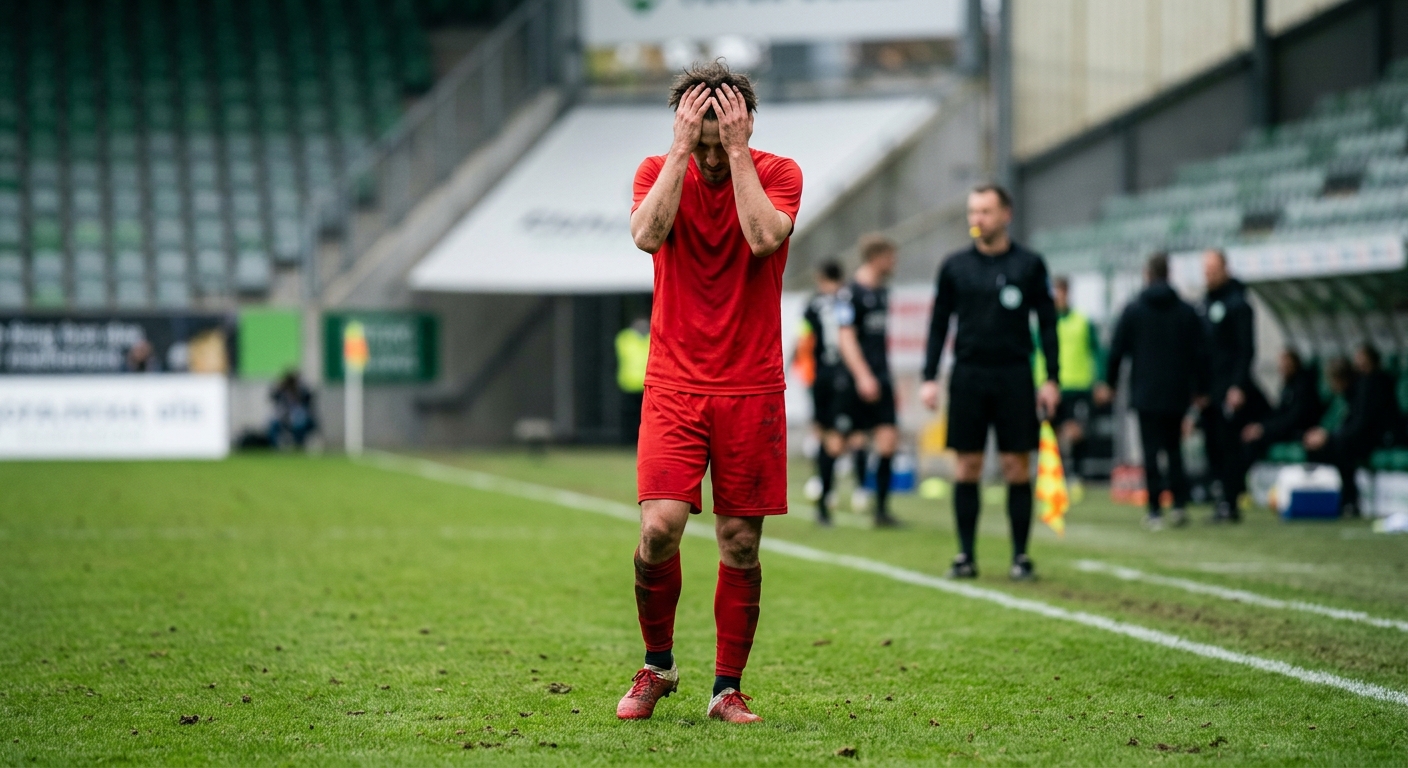
The intensity of Group G was evident as both teams pushed for a winner. In the 93rd minute, Iran’s Shoja Khalilzadeh thought he had scored the decisive goal, sparking jubilation among Iranian supporters. However, celebration quickly turned to disbelief as the referee, following consultation with the video review team, disallowed the goal due to an offside infringement. This critical moment ensured neither side was able to claim all three points from the Seattle match, a scenario that drew considerable frustration from the Iranian side.
Egypt’s Advancement to the Knockout Round
With the draw, the Egypt team secured second place in Group G, thereby guaranteeing their passage to the tournament’s knockout round where they will meet Australia. For Iran, the wait continues as they hope other results favor their chances for tournament advancement. The group-stage finale marked a defining moment for both squads—highlighting how slim margins and referee decisions determine progress at this elite level of international soccer.
Impact of U.S. Travel Restrictions
Off the pitch, Iran’s journey in the world cup has been complicated by US travel restrictions imposed due to ongoing political tensions. These constraints limited the mobility and support staff available to Iran’s squad. Players and coaching staff expressed concern that these restrictions disrupted critical recovery routines and logistical arrangements, leaving them at a disadvantage compared to their international rivals. The Toronto Metro’s sizable Iranian-Canadian community has closely followed the team’s challenges, offering support amid adversity and voicing their encouragement via social channels and regional events.
Video Review Sparks Controversy
Head coach Amir Ghalenoei did not conceal his frustration following a string of goals overturned by video review throughout the tournament. Sunday’s pivotal decision in Seattle ignited further debate over VAR’s influence on key outcomes. Team representatives stressed that multiple crucial moments had been rescinded after lengthy reviews, impacting not only the result of this pride match but also Iran’s prospects for tournament advancement. The evolving role of technology in soccer continues to stir debate across fixtures in Toronto Metro and beyond.
Players Respond to Adversity
Against the backdrop of logistical and emotional setbacks, Iran’s players and coaching staff emphasized their pride and commitment on the international stage. Despite the unique pressures—ranging from restricted movement to heavy reliance on remote coordination—Iran’s squad demonstrated determination and unity throughout the group phase. Many regional fans and local institutions recognized their spirit, drawing comparisons to prior Iranian teams that faced similar hurdles at major tournaments.
Pride Match Highlights Regional Ties
The “pride match” between Iran and Egypt underscored the resilient character of both teams. For the Egypt team, the point earned in Seattle was just enough to secure progress from Group G, an achievement hailed by Egyptian communities in Toronto Metro. Meanwhile, Iran’s pursuit of tournament advancement continues, with many in the region rooting for the players as they await their fate in the final rounds. The match’s outcome and the surrounding challenges have ensured that the world cup remains a central topic of conversation across Toronto Metro, reinforcing the global significance of this sporting event.