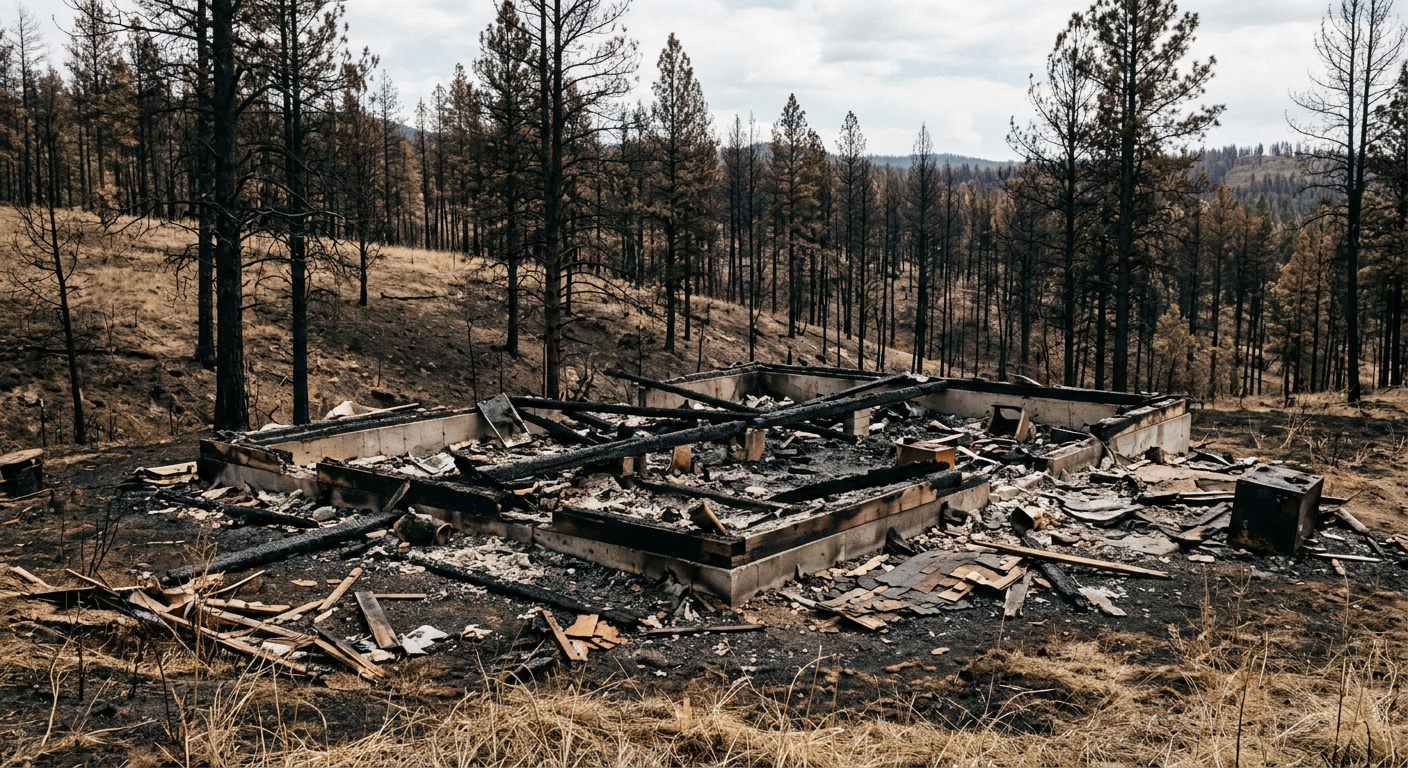
AI-generated illustration; not a photograph of the reported event.
- calendar_today August 15, 2026
Wildfires have caused widespread devastation across Toronto Metro and other regions, leaving families grappling with the financial and emotional strain of rebuilding their homes. As severe fire seasons become more frequent, wildfire insurance has become a critical consideration for homeowners in Toronto Metro, especially as many discover gaps in coverage and face complex recovery journeys.
Mounting Fire Damage Claims and Insurance Realities
With hundreds of homes lost to wildfires in recent years, insurance companies in the Toronto Metro area have processed an increasing number of fire damage claims. Homeowners with comprehensive coverage, often sold on an all-risks basis, are not immune to difficulties. Many find that actual cash value payouts require significant out-of-pocket expenses and personal management of lengthy home rebuilding projects. The unpredictability of claim resolution—sometimes stretching far beyond initial expectations—adds to the distress for local families.
Struggles Facing Underinsured Homeowners
The burden is greatest for underinsured homeowners or those without insurance altogether. In wildfire-damaged communities, such as those affected by the Lytton wildfire, residents like Tricia Thorpe have been left largely without state assistance, underscoring the vulnerability of those living outside the scope of most insurance policies. Without adequate financial support, the path to recovery is slow and filled with uncertainty.
Insurance Premiums and Barriers to Coverage
For many in fire-prone neighborhoods and rural parts of Toronto Metro, skyrocketing insurance premiums or limited coverage options act as significant deterrents to securing adequate protection. Some cannot obtain coverage at all due to living in designated fire protection zones considered especially high-risk, while others must settle for policies that only partially safeguard their homes and belongings.
Evacuation Costs and Additional Living Expenses
Wildfire insurance policies often include support for evacuation costs, temporary housing, and food expenses, providing crucial relief during emergencies. However, the degree of support depends on the details of each homeowner’s insurance policies. Understanding coverage parameters is essential, as gaps can delay or hinder access to necessary funds when families are displaced, contributing further uncertainty to the wildfire recovery process.
The Importance of Homeowners Insurance and Documentation
To help ensure smoother processing of homeowners insurance claims, experts advise documenting property with photographs, videos, and detailed inventories. Such steps can aid in navigating the insurance claims process, making the difference between stalled compensation and swifter restoration efforts. Despite these measures, the logistical and emotional burdens faced by families remain significant.
Expert Guidance for Navigating Insurance Claims
Insurance professionals urge Toronto Metro residents to familiarize themselves with their coverage, promptly contact providers after a wildfire, and maintain an organized record of losses. Detailed communication and adherence to insurance policies guidelines can help accelerate the assessment and disbursement of funds, even as claimants contend with real-world obstacles.
Adapting to a New Wildfire Risk Landscape
As the frequency and intensity of wildfires rise, communities across Toronto Metro are reassessing their preparedness for future disasters. Navigating wildfire insurance challenges remains a priority as homeowners seek to protect their investment and secure a sense of stability. The region’s evolving fire risks, coupled with fluctuating insurance markets, present ongoing hurdles for families determined to rebuild and protect their homes from future threats.