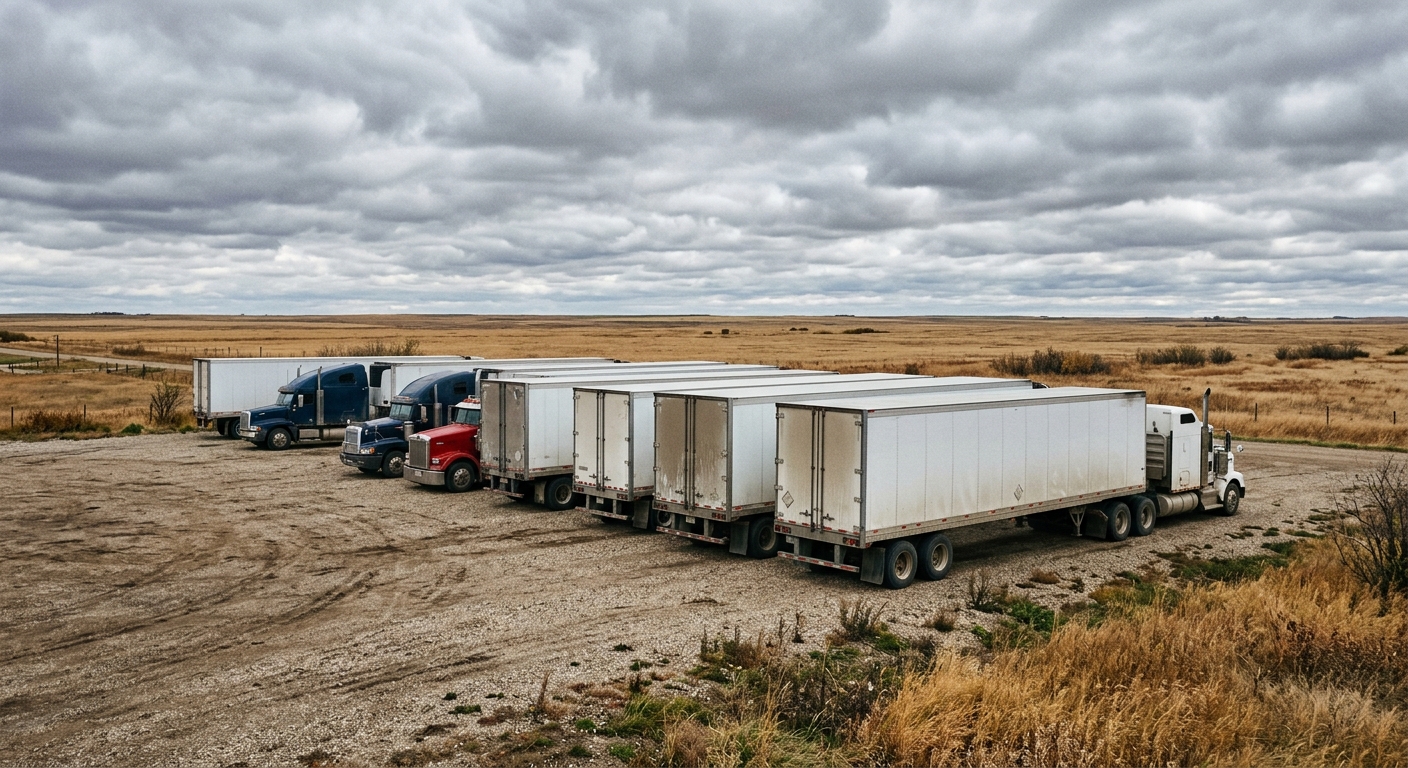
AI-generated illustration; not a photograph of the reported event.
- calendar_today September 6, 2026
The Toronto Metro region is bracing for significant changes in the transportation sector following Canada’s announcement of a 25% counter tariff on U.S.-manufactured semi trailers, set to take effect September 8, 2026. The new measure comes in direct response to tariffs imposed by the former Trump administration, and is projected to have a rippling impact on the region’s logistics, the Canadian trucking industry, and ultimately, consumers.
Unprecedented Counter Tariffs Target U.S. Semi Trailers
Counter tariffs such as this are rare but signal escalating trade tensions. With semi trailers essential for transporting everything from groceries to pharmaceuticals, Toronto Metro businesses are paying close attention. The new tariffs follow a contentious period marked by U.S. goods tariffs that prompted Canadian officials to seek reciprocal measures. Industry sources warn that the added costs tied to these counter tariffs will reshape the economics of freight transportation across the Greater Toronto Area and beyond.
Canada’s Limited Manufacturing Capacity Raises Concerns
For Toronto Metro and much of Canada, the challenge lies in the insufficient domestic supply of semi trailers. Only two Canadian manufacturers currently operate in this space, and neither is positioned to satisfy the national demand. This gap means retailers like Ocean Trailer, Western Canada’s largest semi trailer distributor, are fast-tracking imports ahead of the September 2026 deadline. However, with many trailers still in fabrication, the financial risks are mounting for dealers and operators alike.
Trailer Prices Expected to Surge
Industry insiders caution that trailer prices could increase substantially due to the tariffs. The average price of a new semi trailer, currently at $75,000, may rise to nearly $95,000 once the counter tariffs take hold. This sharp rise not only affects trucking companies in Toronto Metro, but also places added pressures on their customers—including many small businesses that rely on affordable freight solutions. The broader tariff impact could also manifest in increased costs for rental equipment and further complicate logistics planning.
Anticipated Shortages in Semi Trailers
Beyond price hikes, the impending tariffs threaten to exacerbate trailer shortages. Already, regional operators are warning of a mismatch between supply and demand, as the pool of available semi trailers contracts. Increased rental demand may surpass local capacity, posing challenges not only to Toronto Metro’s freight sector but also to companies engaged in cross-border and interprovincial transport.
Ripple Effects Throughout the Trucking Sector
Stakeholders like the Manitoba Trucking Association have voiced deep concern regarding the long-term consequences for the Canadian trucking industry. A prolonged tariff war, experts warn, could jeopardize the financial health of trucking companies and disrupt related enterprises throughout Ontario. The trucking sector, a foundational pillar of Toronto’s supply chain, now faces operational uncertainty and the risk of cascading costs affecting businesses and consumers alike.
Broader Economic Impact and Regional Response
As trade tensions with the U.S. continue, leaders in Toronto Metro are evaluating strategies to minimize disruption. The spotlight is now on Canadian manufacturers to expand capacity and on policymakers to negotiate relief. In the meantime, importers and logistics firms are navigating a rapidly evolving tariff landscape. The coming months will be pivotal for the region, as businesses contend with an uncertain outlook shaped by global trade disputes and local market needs.
With the 25% counter tariffs set to take effect, Toronto Metro’s connected industries—from semi trailer dealerships to small logistics providers—are preparing for a complex and costly transition. The developments underscore the extensive reach of trade policy decisions, with everyday impacts on the movement of goods and the cost of living across the region.