- calendar_today September 1, 2026
In the Toronto Metro region, cancellations of school trips for the 2026-27 academic year have become an increasing reality, mirroring national developments as school boards respond to worldwide instability and safety concerns. As educational leaders navigate an era marked by uncertainty around international travel, thousands of students are experiencing changes to or cancellations of their anticipated student excursions.
International Travel Challenges Shape School Policies
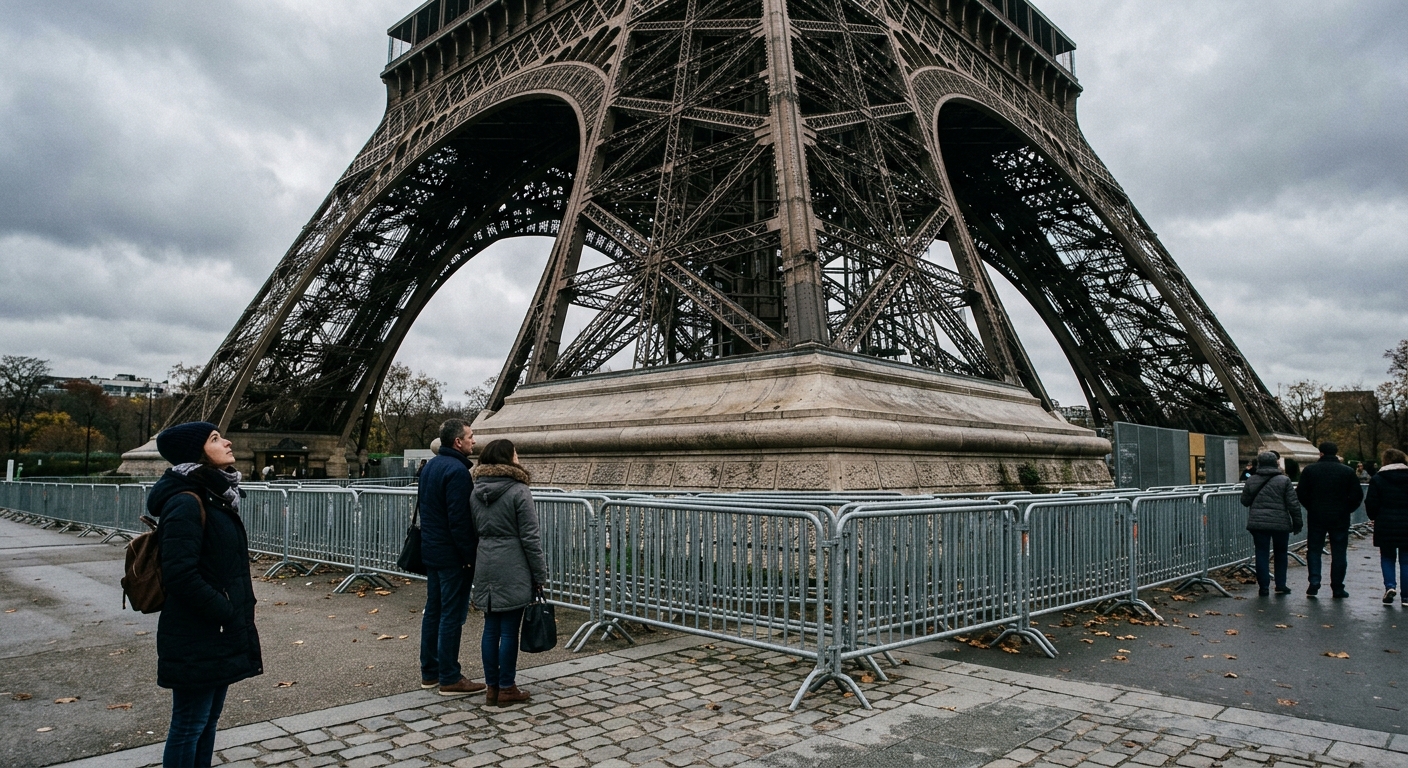
The decision by Edmonton Public Schools to halt all international excursions for the 2026-27 school year emphasizes a trend that is spreading to other Canadian regions, including Toronto Metro. The underlying factors leading to these changes include ongoing global conflicts, civil unrest, fuel shortages, and broader public health concerns. These evolving risks have made international travel increasingly unpredictable for students and educators alike.
School Boards Reevaluate Student Excursions
Responses from school boards across the country vary. While some, such as those in Vancouver and Calgary, continue to approve trips on a case-by-case basis, others have implemented broader trip cancellations. Notably, the Louis Riel School Board in Winnipeg recently cancelled all trips to the United States following updated travel advisories, reflecting heightened concern about destination-specific risks. Such decisions have resonated with administrators across Toronto Metro, who are assessing their own trip planning strategies amid shifting advisories and budget limitations.
Global Conflicts and Travel Advisories Increase Uncertainty
Experts highlight that an increasingly complicated geopolitical environment has impacted trip planning for schools. The overlap of global conflicts and fluctuating government warnings has forced education leaders to balance enrichment opportunities against new forms of liability. Moreover, the diversity of students’ citizenship statuses in Toronto Metro adds another layer of complexity, particularly with regard to international documentation and safety protocols.
Domestic Field Trips Gain New Importance
While some lament the loss of international experiences, schools across Toronto Metro are pivoting towards domestic trips and creative field trips to fill the void. In one example, students who were slated for international excursions will instead visit destinations such as Jasper National Park. These measures are designed to ensure the continuity of enriching educational travel, while mitigating the risks associated with crossing borders during times of uncertainty.
Students’ Reactions and School Board Responses
The disappointment among students has been clear, but many acknowledge the importance of safety and adaptability. Zoe Cogger, a student whose overseas excursion was cancelled, expressed regret at the lost opportunity but gratitude for alternative plans put forth by her school. These replacement student excursions reflect a growing commitment among educators in Toronto Metro to preserve the value of experiential learning, even when global circumstances shift unexpectedly.
Future of Educational Travel in Toronto Metro
School boards in Toronto Metro have stated they will reassess their policies and planned trips as the 2027-28 school year approaches. This ongoing evaluation reflects the rapidly changing nature of international conditions, the frequency of travel advisories, and the underlying responsibility to protect students. As schools adapt to current realities, the emphasis on local enrichment and robust preparation for possible travel resumption remains central to trip planning conversations.
Collaboration and Adaptation Promote Student Enrichment
Looking forward, educators and families across the Toronto Metro region continue to collaborate in search of safe, meaningful opportunities for educational travel. While the current situation poses significant challenges for international journeys, the resolve to offer students authentic learning experiences—whether abroad or closer to home—reflects the resilience of local communities. As the global environment evolves, so too do the strategies educators use to ensure learning extends beyond the classroom walls.