- calendar_today August 7, 2025
As 2025 unfolds, Saskatchewan finds itself at the intersection of demographic change and economic necessity. While the province boasts a resilient economy anchored in agriculture, energy, and manufacturing, it is also grappling with intensifying labor shortages. Many sectors—particularly construction, skilled trades, and healthcare—report ongoing difficulties in filling vacancies, raising alarms among employers and policymakers alike.
Small- and medium-sized businesses in Saskatoon, Regina, and rural regions have echoed a consistent refrain: finding and retaining workers is becoming a daunting task. Despite wage increases and improved working conditions in several sectors, the local workforce cannot meet rising demand. Analysts point to a perfect storm of factors: an aging workforce, declining birth rates, and a slow post-pandemic recovery in participation among certain age groups.
Aging Population Brings Long-Term Challenges
Saskatchewan’s population is aging rapidly. According to recent data, nearly 20% of residents are now aged 65 or older—a proportion expected to rise steadily over the next decade. This shift is placing strain on the province’s healthcare system and increasing dependency ratios, with fewer working-age residents supporting growing numbers of retirees.
Provincial government officials have acknowledged the issue, launching incentive programs to retain older workers in the labor force longer. These include tax credits, flexible retirement options, and retraining subsidies. However, experts warn these short-term measures may not be sufficient to sustain the province’s productivity over the long term.
Immigration Remains a Key Lever, But Needs Refinement
Immigration remains one of Saskatchewan’s most critical tools for addressing labor market gaps. The province’s Saskatchewan Immigrant Nominee Program (SINP) has been effective in bringing skilled workers into the region, particularly in agriculture and construction. However, challenges persist in retention, especially in smaller communities where new immigrants often struggle with access to services, housing, and integration.
Saskatchewan’s government is working with Ottawa to increase the number of provincial nominations and streamline credential recognition for international professionals. There are also calls to expand language training, employment readiness programs, and community support systems to help newcomers stay and thrive.
Youth Engagement Lags Despite Education Investments
Despite significant investments in vocational education and apprenticeship programs, youth participation in the labor force remains uneven. Many younger residents are either delaying entry into full-time employment or relocating to other provinces in search of more diverse opportunities. This “brain drain” trend has become particularly pronounced in fields like technology, research, and finance.
In response, Saskatchewan’s education ministry is partnering with industry stakeholders to redesign curricula around real-world skills and increase co-op placements. There’s also growing advocacy for fostering entrepreneurship among youth as a way to anchor talent within the province.
Indigenous Workforce Development at a Crossroads
Indigenous communities, which make up a significant portion of Saskatchewan’s population, represent a vital yet underutilized segment of the labor force. Unemployment rates remain disproportionately high in Indigenous communities, particularly in northern regions.
Programs focused on Indigenous skills training, economic development, and self-governance have shown pockets of success, yet systemic barriers continue to limit broader progress. Community leaders emphasize the need for long-term funding and culturally rooted employment strategies that go beyond short-term pilot initiatives.
Automation and Agriculture: Innovation on the Horizon
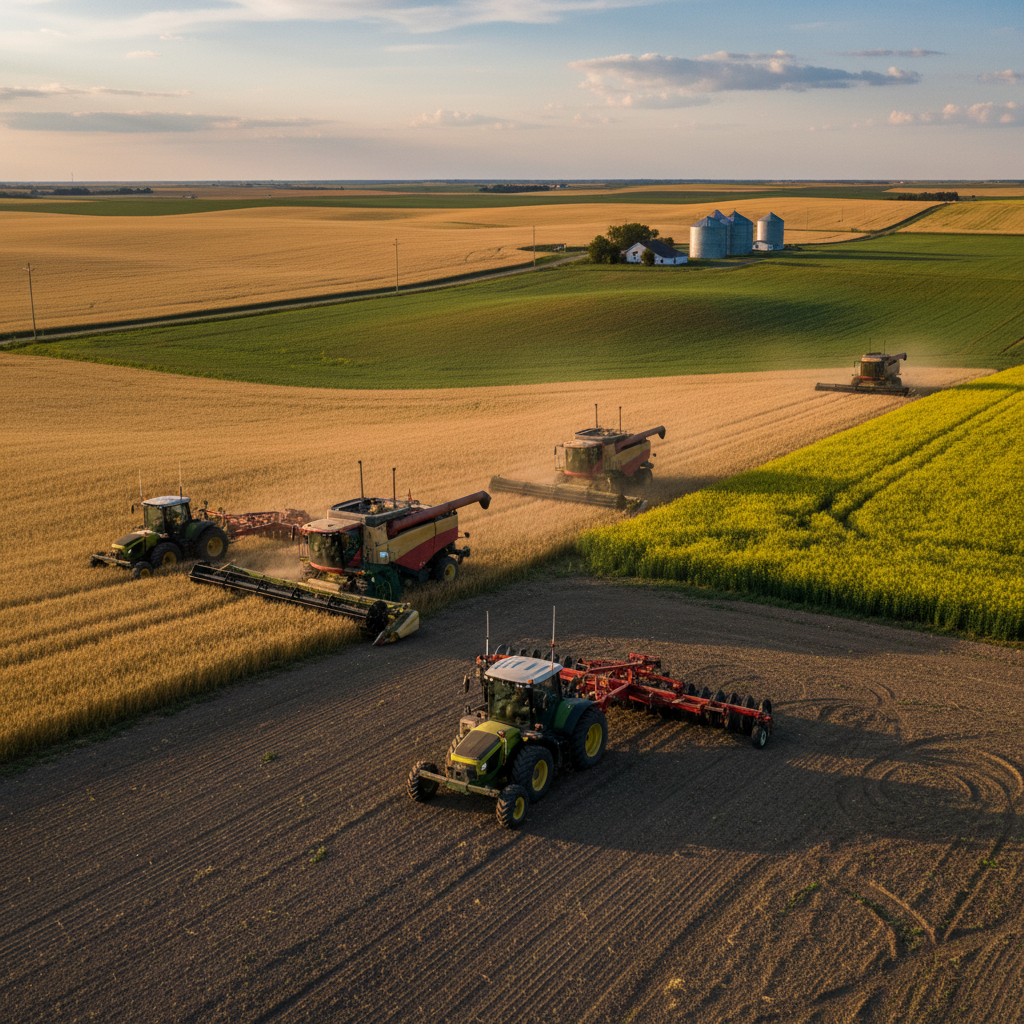
Saskatchewan’s agricultural sector, a cornerstone of its economy, is increasingly turning to automation and digital tools to counter labor shortages. From precision farming to autonomous machinery, technological innovations are being adopted at an accelerated pace.
This shift brings both promise and concern. While automation improves efficiency, it also reshapes job profiles and requires a new generation of tech-savvy agricultural workers. Universities and polytechnic institutions in the province are expanding agri-tech courses to meet this emerging demand.