- calendar_today August 18, 2025
Saskatchewan business, resource, and farm communities prepare for waves of economic effects from one U.S. rate-cut estimate.
Introduction: Saskatchewan Looks to U.S. Monetary Cues
The latest forecast of only one interest rate reduction in 2025 from the Atlanta Federal Reserve has piqued the interest of global markets—and that of Saskatchewan. Although aimed at U.S. economic conditions largely, this restrained forecast has far-reaching implications internationally, especially for export-oriented and resource-based territories like Saskatchewan.
With industries anchored in agriculture, energy, mining, and manufacturing, the province is closely watching how higher interest rates are likely to affect everything from farm enterprise to housing construction and consumer spending.
Agriculture and Commodity Markets: Adapting to Financial Stress
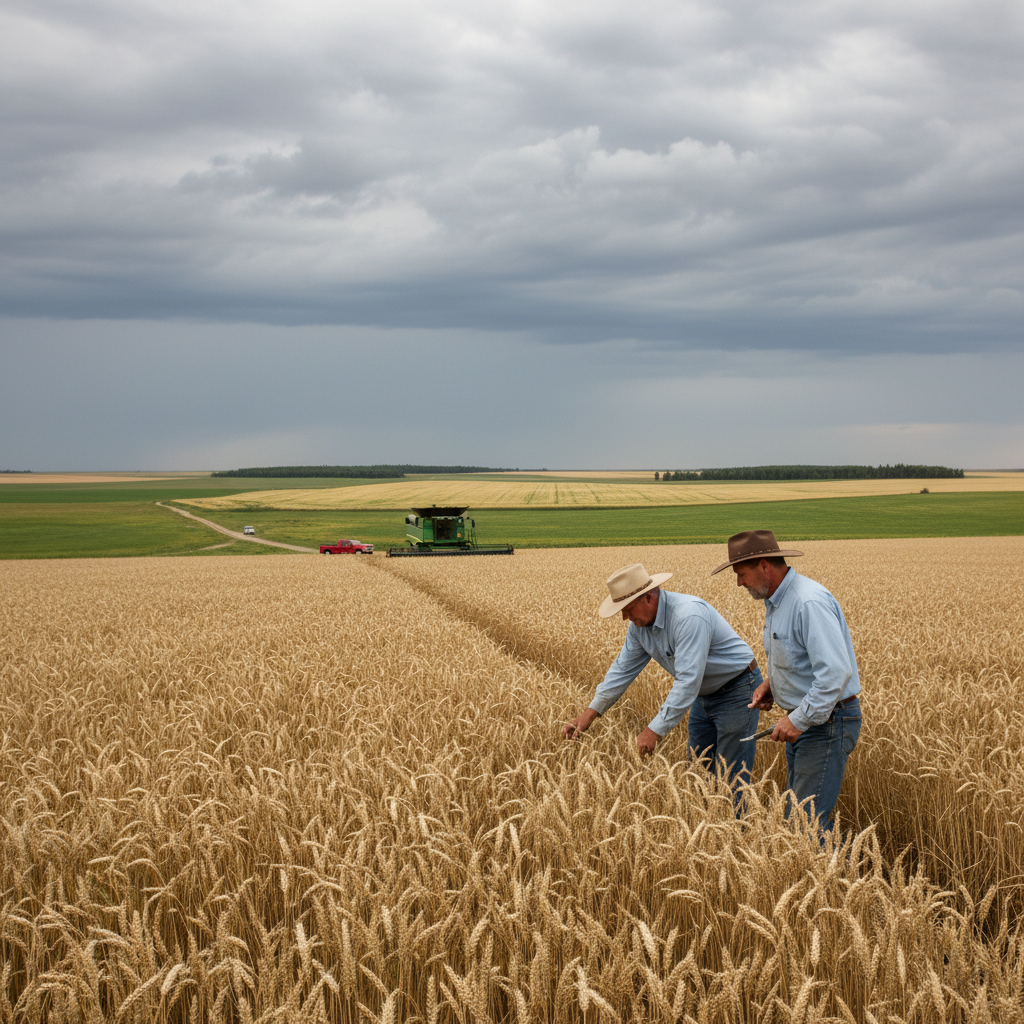
Being the world’s largest producer of wheat, canola, and pulse crops, Saskatchewan’s agricultural economy is extremely sensitive to commodity prices and lending conditions. Most farmers and agri-businesses depend on credit for equipment renewal, seed, fertilizer, and expansion.
Most Significant Challenges Facing Agriculture:
- An increase in interest rates increases the cost of operations, delaying investment in farm technology and land.
- Commodity price volatility on the market can be traced back through economic uncertainty worldwide.
- Alternative funding arrangements might become more attractive as traditional loans become more expensive.
This mix of cost pressure on borrowing and price volatility might lead to lower productivity and delayed innovation, unless countered by strong export demand or government action.
Real Estate: Sensible Growth in a High-Rate Environment
The Saskatchewan housing market in urban areas such as Regina and Saskatoon has been quite strong in recent years. However, chronic high mortgage rates have a suppressing effect on new starts and demand by buyers.
Real Estate Consequences:
- Homeownership becomes less affordable for first-time buyers.
- Developers will delay or scale back projects, specifically in multi-family residential development.
- Housing supply will be cut back, particularly if construction is lagging behind demand.
While the market is not overheating like it is for other provinces, affordability pressures may discourage mobility and delay entry into homeownership ranks for many young families.
Small Businesses and Investment Sentiment: Coping with Cautiousness
The small business sector of Saskatchewan—from retail service providers to miners’ suppliers—relies greatly on inexpensive borrowing to stay in business and fuel growth.
- Higher interest rates reduce new start-ups and discourage risk-taking.
- Start-ups could struggle to get venture capital or bank funding.
- Capital-intensive industries, such as oil & gas and mining, could see deferment of exploration or expansion plans.
Certain companies with strong liquidity or diversified top-line base may have opportunities to grow strategically as others retreat.
Consumers and Debt: Cutting Back on Discretionary Items
For the typical Saskatchewan family, the cost of borrowing remains a high priority. As interest rates touch everything from auto loans to credit card debt, many families are focusing on fiscal restraint and required spending.
Consumer Behavior Shifts:
- Fewer discretionary expenditures for travel, dining, and recreation.
- More emphasis on saving and debt repayment.
- Merchants may have to change by offering value-based merchandise and flexible payment plans.
This shift could revolutionize the retail landscape of Saskatchewan, with companies offering value and essentials faring better than premium or luxury services.
Saskatchewan’s Economic Resilience: A Future Perspective
Regardless of the risk posed by high interest rates, Saskatchewan is among Canada’s most financially robust provinces because of its abundant natural resources, robust export connections, and diversified manufacturing base.
Long-Term Perspective
- The province is also likely to ride out interest rate problems, especially if global demand for food, fuel, and minerals continues strong.
- Continued examination of Bank of Canada and U.S. Federal Reserve policy decisions will be required.
- Assistance for small businesses and farmers in the form of credit at affordable prices when monetary conditions tighten is something policymakers might want to consider.
Conclusion: Adapting to a High-Rate Reality
Even as the Atlanta Fed’s forecast of one 2025 rate reduction is inherently America-centered, its influence on international economic sentiment cannot be ignored in Saskatchewan Saskatchewan. Provinces, firms, and households will need to prepare to acclimatize to slowing growth and higher lending, leveraging Saskatchewan’s economic positives to remain competitive.
As 2025 progresses, financial agility, sound planning, and innovation will be the advantage in navigating the changing economic landscape.