- calendar_today August 21, 2025
Saskatchewan’s expanding tech community is now confronted with added uncertainty after Wolfspeed, one of the world’s top producers of semiconductors, posted a record 27-year low for the stock price. The firm produces silicon carbide (SiC) semiconductors used in electric vehicles (EVs), renewable energy systems, and other applications of the future, and has been a leading figure within the global tech community for several decades. But recent woes in the stock market have raised alarm among Saskatchewan businesses and entrepreneurs as well, with the province’s own burgeoning tech sector watching closely to see whether and how this will affect them.
The Role Wolfspeed Plays in Saskatchewan’s Technology Sector
Although the history of Saskatchewan can be traced a long way back as an agriculture and agronomical resource-based economy, technology in the province has also been increasing at a fast pace with the growing presence of more startups and established technology businesses setting up operations in the province. Innovation in clean energy, automation, and AI have been some of the forces driving this growth.
Semiconductor technology is at the center of all these.
Wolfspeed’s semiconductors, which are SiC chips, play a very important part in many industries that are at the heart of Saskatchewan’s clean tech development including electric vehicles and renewable energy solutions. Wolfspeed’s chips power EV powertrains, solar inverters, wind turbine systems, and battery storage, all of which are significant to Saskatchewan’s quest for cleaner energy solutions.
Impact on Saskatchewan’s Clean Energy and Electric Vehicle Initiatives
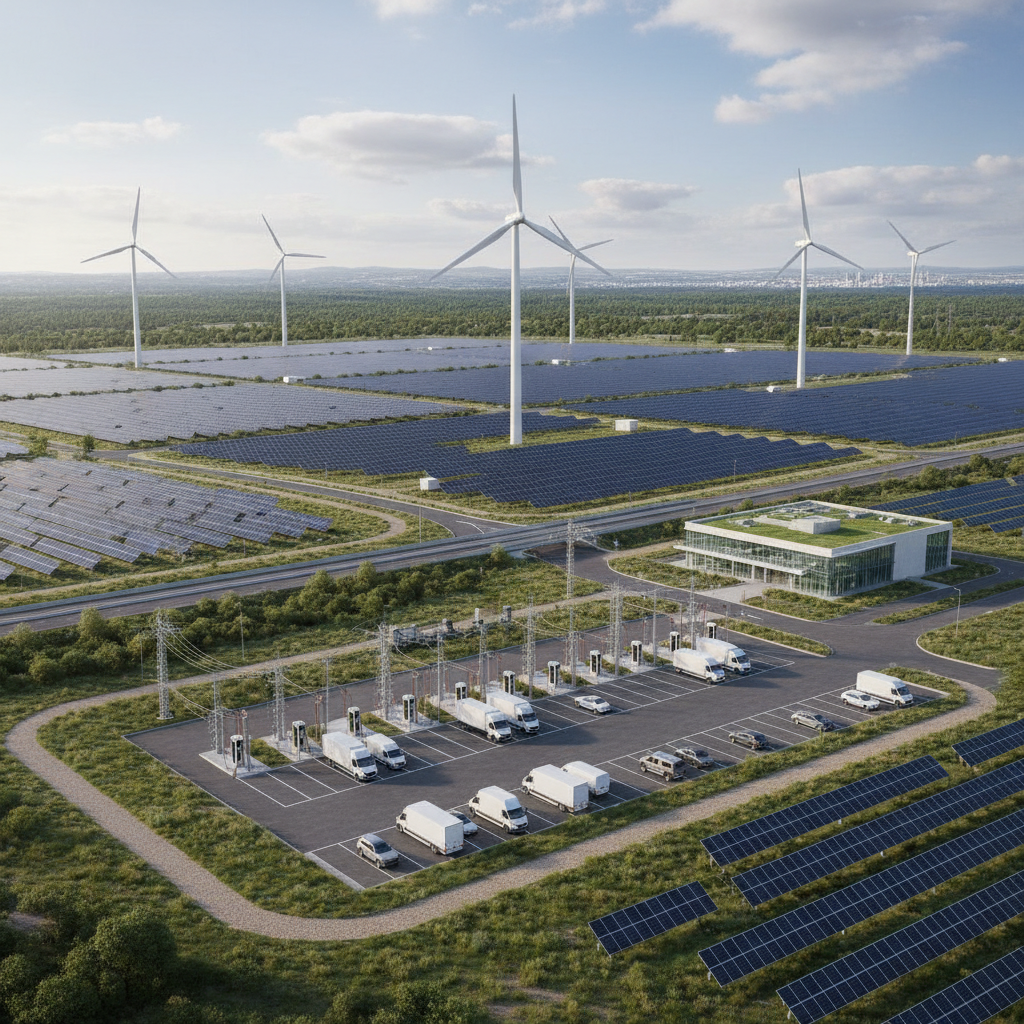
Saskatchewan has been expanding in the clean energy industry, making investments in clean energy resources such as wind and sun. As a part of the same, the province experienced increasing demand for electric vehicles (EVs) and energy-efficient technologies. Wolfspeed is an enabler of paramount importance to power the clean energy industry using its SiC semiconductors, which make solar power systems, wind turbines, and energy storage devices more efficient and longer-lasting.
To Saskatchewan’s growing EV market, Wolfspeed’s chips play an important role in making electric vehicles viable and affordable. The province has been looking at a variety of ways to encourage EV adoption, from the installation of charging stations to offering incentives to customers to make the transition to electric cars. Any drastic disruption in the availability of SiC chips would have a direct impact on EV production in the region, decelerating the adoption rate and hindering the process towards Saskatchewan’s clean energy goals.
We are committed to transitioning to green technology, such as EVs and clean energy, and the center of these technologies is semiconductors,” Regina energy consultant Laura Stone said. “If Wolfspeed fails, it will affect our projects, slowing the transition and making it more difficult to achieve sustainability goals.”
Saskatchewan’s Tech Entrepreneurs React to Wolfspeed’s Falling Stock
Saskatchewan-based tech entrepreneurs are among the ones watching closely. For most hundreds of province startups, Wolfspeed-type semiconductor chips are a hard and fast necessity for constructing new innovations, particularly in domains such as AI, automation, and IoT (Internet of Things). If Wolfspeed fails to provide steady amounts of chips, it may lead to shortages that affect product development timelines for local tech startups.
“Semiconductors are part and parcel of our product,” said Mark Davis, owner of a Saskatoon technology start-up. “If the plunge in Wolfspeed shares jeopardizes production timetables or cuts into availability, we will be compelled to seek alternatives, and that impacts on the quality and the price of our product.”
While most residents of the province believe that Wolfspeed will bounce back, Saskatchewan businesspeople also harbor a concern. The instability of the semiconductor market could be a sign of underlying supply chain maladies that would weigh on a broad sweep of industries, from consumer devices to automotive technology.
“I think this is a wake-up call for companies in Saskatchewan and beyond,” said Emily Turner, a startup founder in Saskatoon. “We need to diversify our semiconductor sources and ensure that we’re not overly dependent on any one supplier. There’s a lot of uncertainty in the market right now.”
Saskatchewan’s Strategy for Navigating the Semiconductor Shortage
In an attempt to counteract the possible impact of Wolfspeed’s stock decrease, Saskatchewan state and businesses are looking for ways of having a steadier supply chain for semiconductor components. Saskatchewan government, which was also supportive of the technology industry through investments and grants in the past, is aware of the possible damage and is taking positive action to diversify the province’s technology supply chain.
“We recognize the growing role that semiconductors play in our economy, and we’re committed to supporting local innovation,” said Erin Petersen, a spokesperson for Saskatchewan’s Ministry of Trade and Export Development. “We are working with local tech companies to identify solutions to mitigate supply chain disruptions and ensure that our industries have access to the components they need to grow and thrive.”
Looking Ahead: The Future of Saskatchewan’s Tech Industry
Though the situation that has been brought by the decline in stock of Wolfspeed affects Saskatchewan today, the tech sector is hopeful about the future. The province has taken a leap technologically, with expanding industries in clean energy, artificial intelligence, and automation that are all semiconductor-reliant. The prevailing circumstances tended to emphasize the importance of increased supply chain resilience but also the fact that there was a necessity to keep on investing in home-grown technology solutions.
“That the price of Wolfspeed stock has fallen recently is troubling, but it’s also a chance to develop Saskatchewan’s tech sector,” Laura Stone said. “If we develop diversification among our suppliers and invest in homegrown innovation, we can make sure that we’re not hostage to one player in the semiconductor sector, and that we’re ready for whatever is next down the road in the future.”
Within the next few months, the technology industry of Saskatchewan will notice the problem and seek a solution to innovate and adapt to the plight of Wolfspeed. If the stock rebounds, or if the province is continuously disrupted, Saskatchewan’s entrepreneurs, companies, and policy-makers are prepared to keep moving forward and forge a high-tech, sustainable future.