- calendar_today August 27, 2025
Introduction
By the year 2030, artificial intelligence (AI) is predicted to disrupt up to 50% of all jobs, according to the World Economic Forum. This includes roles that people in Saskatchewan have relied on for decades, from farming to customer service. The shift isn’t about robots taking over overnight. Instead, it’s about technology changing how we work and what skills are needed.
In Saskatchewan, a province with an agricultural, energy, and hardworking culture, this news is igniting discussion and raising some critical questions. How will daily life change with AI? What sectors are in danger? And perhaps most importantly, how can workers get ready?
How AI Is Already Making an Impact in Saskatchewan
AI may sound like science fiction, but it’s already here—and having an impact.
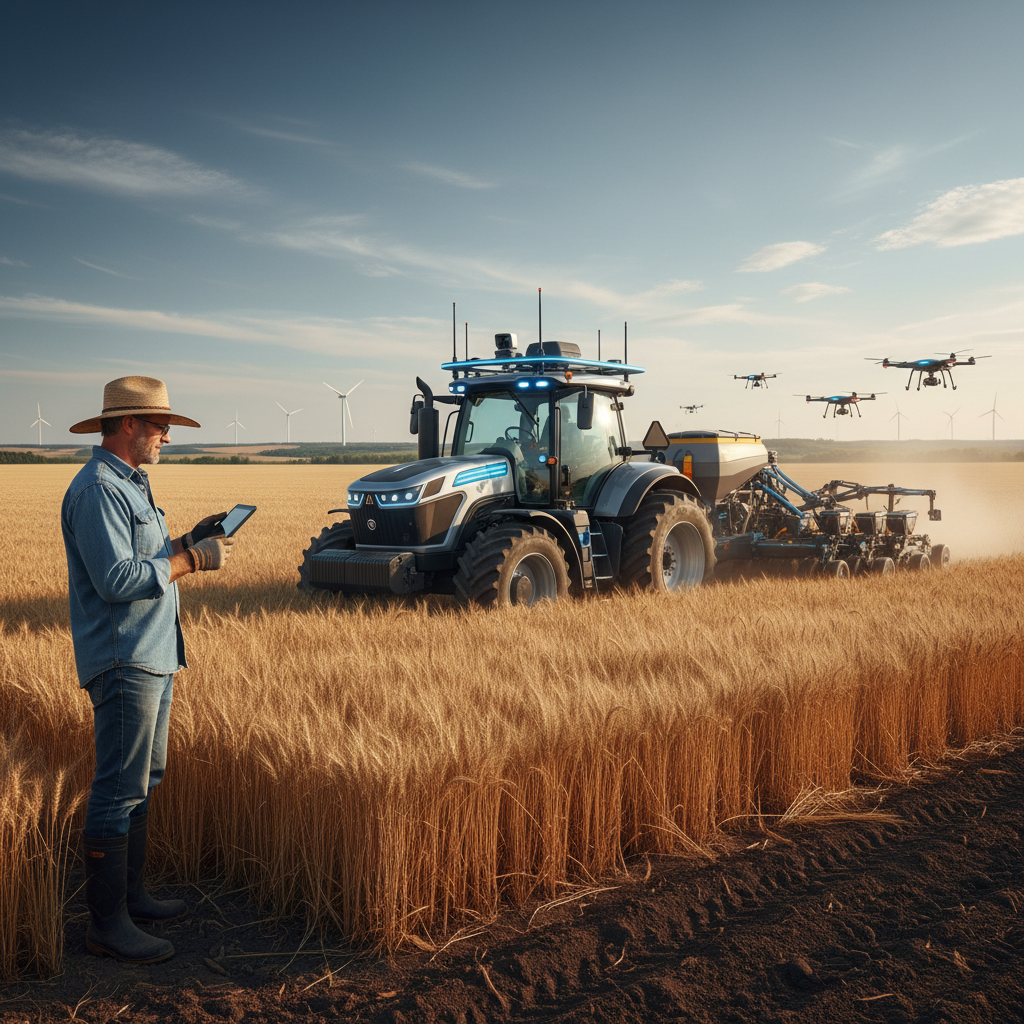
- Agriculture: AI systems monitor crops, analyze soil, and drive tractors with minimal human intervention.
- Healthcare: Hospitals utilize AI to scan medical history, book appointments, and aid in diagnosis.
- Retail and customer service: Chatbots respond to queries online, while self-checkouts make cashiers obsolete.
- Transportation: Delivery firms are employing AI for routing, traffic forecasting, and even autonomous trials.
This type of technology is making companies more efficient, but it also implies that some tasks will be performed by machines or software rather than humans.
Jobs Most Vulnerable in Saskatchewan
Saskatchewan’s economy is based on a combination of manual labor, customer service, and office work. Sadly, these are the very areas most in danger.
- Administrative jobs – Data entry clerks, receptionists, and administrative assistants can be replaced by intelligent software that will perform the same task in a quicker time.
- Shopping and customer service – Cashiers and salespersons are already having fewer job advertisements as automation increases.
- Transportation careers – Truck drivers and couriers might be replaced by autonomous technology within the next 5–10 years.
- Entry-level labor jobs in agriculture or manufacturing – Machines and AI systems can now sow seeds, track livestock, and even harvest crops.
While these advances can make businesses more efficient, they can also put employees in danger if they don’t keep up.
Jobs That Will Expand with AI
It isn’t all bad news. AI will also open up new employment opportunities in Saskatchewan, particularly in industries that focus on human skills and analytical thinking.
- Healthcare – With more administrative work taken over by technology, doctors, nurses, and caregivers will be in higher demand.
- Technology and data science – Software developers, cybersecurity specialists, and data analysts will see their jobs increase.
- Education and training – As more individuals require training, teachers and instructors will be in very much in demand.
- Skilled trades – Electricians, plumbers, and renewable energy technicians will continue to be essential and difficult to automate.
So as some occupations pass away, others will emerge—and Saskatchewan stands to gain if it looks ahead.
What Saskatchewan Workers Are Doing to Prepare
Around the province, individuals are taking steps. Lots of people are already beginning to reskill and upskill to adapt to AI developments.
1. Online Learning Is on the Rise
Free and paid courses exist through sites such as Coursera, LinkedIn Learning, and Saskatchewan Polytechnic. These range from computer fundamentals to expert coding and AI competence.
2. Government and Community Programs
The Saskatchewan Government provides support and tools through the likes of:
- Saskatchewan Jobs Training Grant – Assists in the cost of employee training.
- Saskatchewan Immigrant Nominee Program – Aims to attract skilled tech and trade workers.
- Employment and Training Services – Free assistance to change careers, such as career counseling and resume services.
3. Career Changes
Individuals throughout the province are already changing careers. For instance:
- Riley, who once worked as a cashier in Regina, now has a job in digital marketing after taking a six-month online course.
- Lorna, who is a grain farmer in Moose Jaw, began employing AI software to track her crops and took an agri-tech course to learn more about the tools.
These stories demonstrate that with effort and support, Saskatchewan workers can stay in sync with the future of work.
How Employers Are Adjusting
Saskatchewan businesses are also getting ready. Most employers now recognize that if they are to survive and prosper, they need employees who are familiar with new technologies.
Some businesses are already:
- Providing in-house training to enable current employees to learn AI tools.
- Collaborating with Saskatchewan colleges to develop job-applicable courses.
- Investing in automation, but also in being able to transition staff into new jobs.
Both the business and the individual can grow together, instead of allowing people to fall behind.
All Challenges That Remain
There still exist genuine concerns in the province:
- Internet access: Rural Saskatchewan tends to have very little high-speed internet, so online learning is less feasible.
- Age and skill disparities: Older employees can have a harder time learning new technology rapidly, and not everyone feels comfortable with digital tools.
- Financial obstacles: Education can be costly, and not all employees can drop work to return to school.
These are issues that the government, schools, and companies will have to address collectively to keep people from being left behind.
Final Thoughts
The growth of AI isn’t one Saskatchewan can afford to ignore. It will redefine the workforce, up to 50% of jobs altered or vanishing by 2030. But it’s not a bleak future. It’s an opportunity to create something new.
By investing in people, skills, and access to training, Saskatchewan can be a province where workers don’t merely weather the AI tide—they surf it to something better.