- calendar_today August 23, 2025
Saskatchewan experts weigh the potential effects of the U.S. government’s $6.8 trillion borrowing proposal on the provincial economy, trade, and financial markets.
Saskatchewan Experts Weigh Prospects of $6.8 Trillion U.S. Borrowing Plan
The recent offer from the U.S. government to borrow $6.8 trillion in April of 2025 stoked a general panic among observers, particularly in nations that are economically interdependent with the U.S. economy. Being granted a status as an agricultural, mining, and energy province, Saskatchewan is patiently waiting to see the potential domino effect of the increasing U.S. debt. With world markets already bearing the weight of rising national debts, the fiscal burden for Saskatchewan can be significant. This article examines the likely effect of the U.S. policy of borrowing on Saskatchewan’s trade, investment climate, and fiscal health.
How to Understand the $6.8 Trillion U.S. Borrowing Plan
The American government’s plan to borrow $6.8 trillion in the next few years is its fiscal management plan for its spending on all of its services and programs. Governments like to borrow money, but this amount of borrowing is a record-breaking one. The analysts fear that the growth of American debt at this pace may raise the cost of borrowing, stimulate inflation, and cause global markets to spin around and generate economic spillovers all over the world, including Saskatchewan’s economy.
Possible Effect on Saskatchewan Exports and Trade
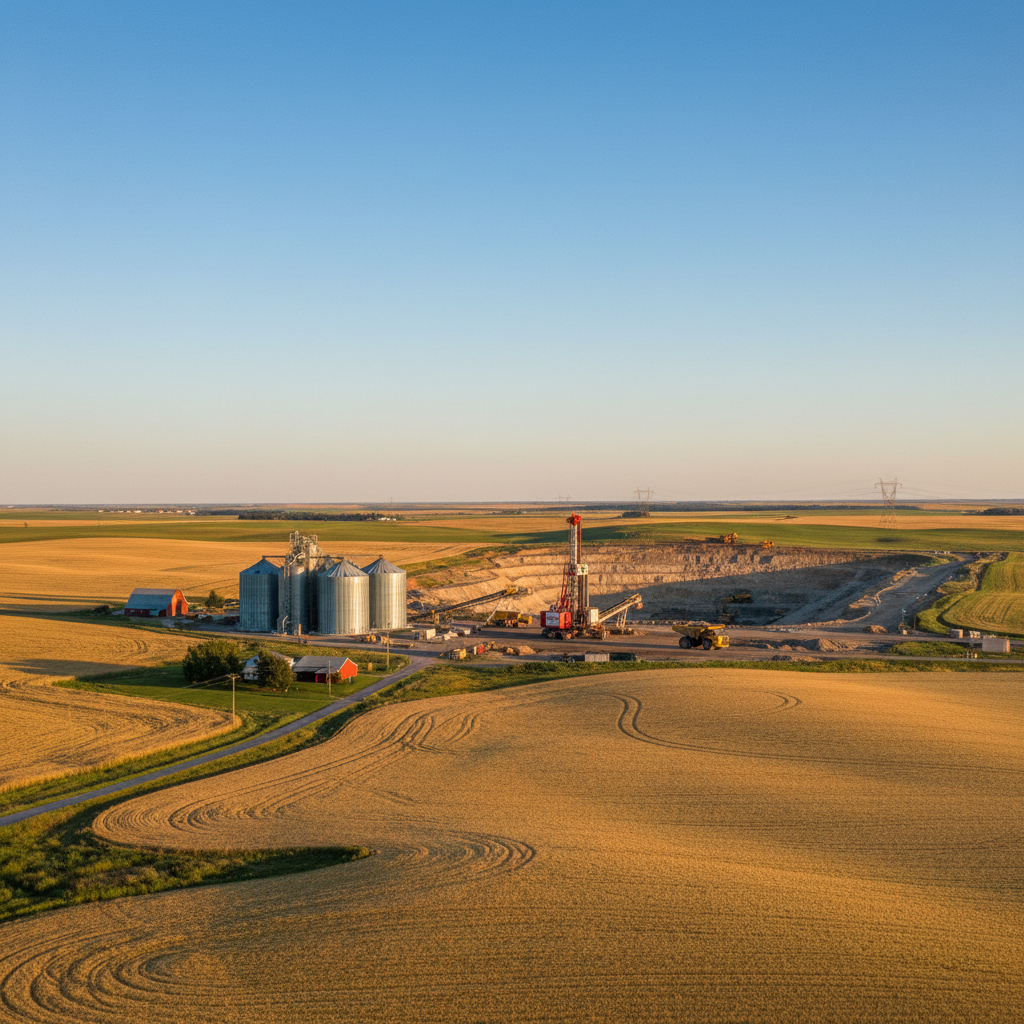
Saskatchewan’s economy is export-driven, with the majority of its export going to the U.S. America trades with Saskatchewan significantly through agriculture, energy, and mining, with oil, grains, and potash forming a major share of Saskatchewan’s export basket. While the U.S. accumulates growing debt, the threat is there that it will help dampen economic growth, decrease consumer demand, and lower the demand for imports.
If American inflation rises due to increased borrowing, it could produce escalating commodity and product prices. A rising trend of U.S. interest rates, due to increased national debt, would also impact agricultural and energy exports of Saskatchewan. The cost of transport and operations for Saskatchewan producers would rise, which can affect their competitiveness in the global market.
Higher Cost of Borrowing and Provincial Effects on Saskatchewan
There is perhaps no worst aspect of incurring national debt than the fact that it would also be accompanied by higher interest rates. As America borrows more and more money, borrowing rates all over the world will likewise rise, both for Canadian businesses and governments. The Saskatchewan provincial government would even need to pay additional interest on borrowed capital if interest rates all over the rest of the world rise as America’s debt accumulates.
Saskatchewan companies that rely on borrowing to expand or start new business would be affected by higher cost of finance, slowing development in strategic sectors such as infrastructure, technology, and production. Saskatchewan families could also be affected by higher interest rates through higher mortgage and personal loan repayment levels, deterring consumption and consumer confidence.
Inflationary Pressures and Cost of Living in Saskatchewan
Saskatchewan, as the rest of Canada, will also face the possibility of inflationary pressure from spillover effects of United States borrowing. With rising United States national debt, inflation in commodity prices is a possibility. Since Saskatchewan is a giant commodity exporter of oil, grains, and potash, rising world commodity prices can make production costs higher for local businesses, particularly the agriculture and energy sectors.
Rising inflation can also manifest itself as increased prices of common commodities and services, such that the living cost in Saskatchewan becomes higher. To those already feeling the sting of high inflation, it would mean lower purchasing power over anything from groceries to property. Saskatchewan consumers could make up by altering consumption patterns, thereby bringing economic growth down.
Impact on Saskatchewan’s Investment Climate
Saskatchewan has actively been wooing investment overall in the areas of energy, agriculture, and technology. However, rising U.S. debt could pose new threats to the investment environment. Investors looking at the state of the global economy could be less inclined to invest in economies that are subject to the state of U.S. economics, say Canada’s.
Besides, global capital markets would also be unstable because of the rise in U.S. debt, and such would lead to stock market volatility. Savings, pension, and investments for most Saskatchewan citizens would be affected. Investment slowdown would adversely affect the economic growth of Saskatchewan and innovation, particularly in emerging sectors like clean energy and technology.
Saskatchewan’s Response to U.S. Debt Issues
In order to balance the probable impacts of American borrowing policy, Saskatchewan would be forced to stay proactive in changing its fiscal policies. Diversifying trade relationships and increasing exports abroad could become an absolute necessity in avoiding overdependence on a single market. Building strong trade relations with countries like Asia and Europe may help Saskatchewan defend itself against any negative consequences of American demand.
Additionally, the Saskatchewan provincial government will be required to pivot to ensure that its own finances remain in check to support investor confidence. Keeping the public debt at manageable levels and having the provincial budget balanced will maintain Saskatchewan’s economic stability regardless of worldwide uncertainty.
Conclusion: Navigating a Challenging Fiscal Landscape
With Saskatchewan joining the debate on the consequences of the U.S. government’s $6.8 trillion borrowing plan, the province is confidently stepping into an era of economic hardship. Rising cost of borrowing, inflationary pressure, and possible disruption of trade could affect the province’s preeminent agricultural, energy, and mining sectors.
However, Saskatchewan can manage such problems with strategic readjustment and planning. Trade diversification, budget responsibility, and innovation are critical areas in which Saskatchewan can remain ahead of the problem of global fiscal instability.