- calendar_today August 13, 2025
USD1 Stablecoin Faces Saskatchewan Scrutiny
The Financial and Consumer Affairs Authority (FCAA) of Saskatchewan maintains its characteristically measured approach to cryptocurrency as the Trump-affiliated USD1 stablecoin enters global markets. Unlike more speculative financial centers, Saskatchewan’s regulators evaluate digital assets through the lens of practical utility and investor protection.
FCAA securities director Mark Ablett emphasizes the agency’s product-focused assessment framework, though he acknowledges political connections warrant additional scrutiny. “We treat all investment products based on their characteristics, not their promoters,” Ablett states. “But when political figures are involved, we enhance our investor alerts accordingly.”
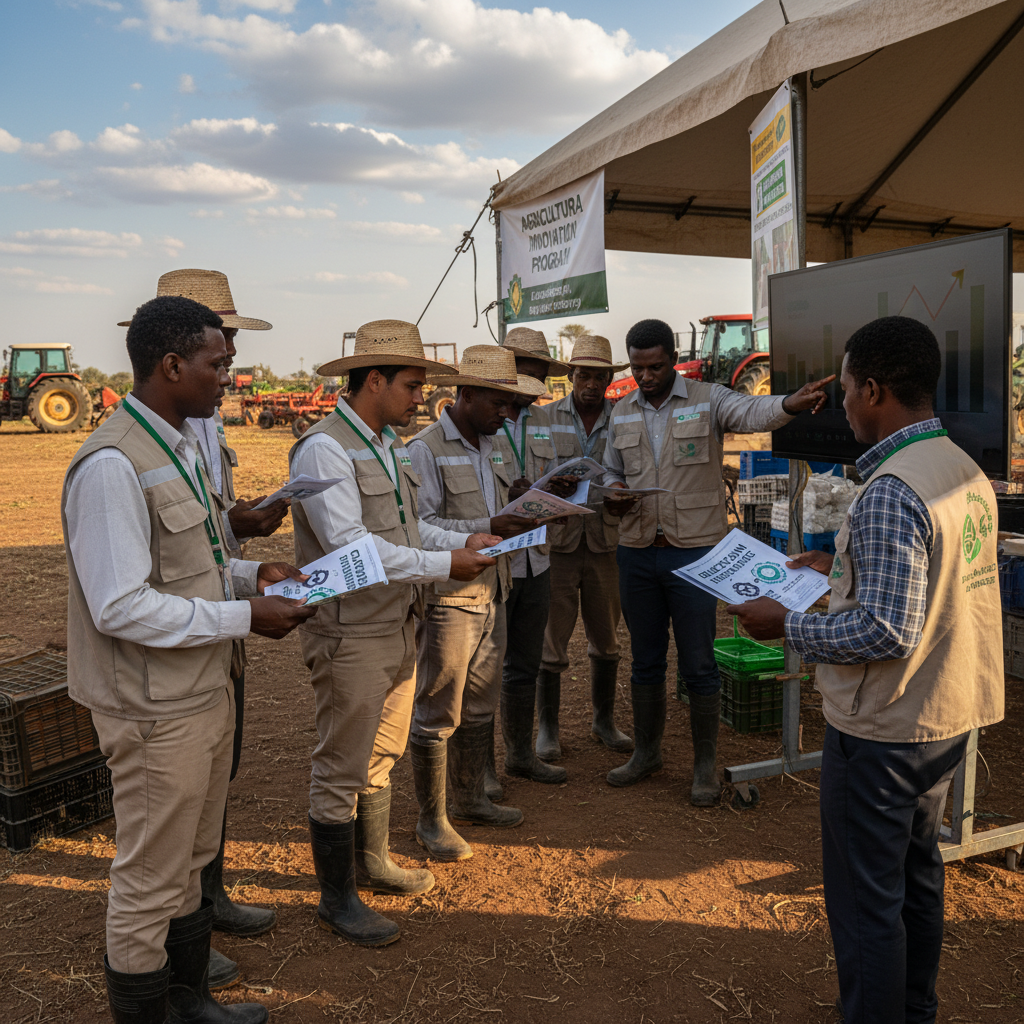
The FCAA has initiated targeted outreach to rural investors, preparing to distribute USD1 information sheets through agricultural extension offices before harvest season. This approach reflects Saskatchewan’s unique demographic realities, where farming communities represent a significant investor class requiring specialized financial education.
Saskatchewan’s $17 billion agriculture industry presents unexpected potential for stablecoin applications, though practical adoption barriers remain substantial. Grain brokers report growing inquiries about cryptocurrency applications for international transactions, motivated by desires to mitigate currency fluctuation risks.
“The idea of bypassing currency fluctuations appeals to exporters,” explains Regina-based commodities lawyer Fatima Nadeem. “But farmers won’t touch anything that might complicate dealings with non-U.S. markets.” The Saskatchewan Wheat Pool has begun preliminary discussions about blockchain-based payment systems, with participants emphasizing any viable solution would require strict political neutrality to maintain global market access.
Credit Unions as Crypto Gatekeepers
As primary financial institutions for 60% of Saskatchewan residents, credit unions serve as critical filters for cryptocurrency adoption. Affinity Credit Union’s 2022 cryptocurrency pilot program established conservative parameters that USD1 appears unlikely to satisfy under current conditions.
“Our members want financial tools, not political statements,” states Affinity CEO Mark Lane. “We’ve had zero requests for this particular stablecoin.” Smaller credit unions servicing mining and energy communities report marginally greater interest, primarily from younger, technologically-engaged members, though no institutional adoption appears imminent.
Tech Sector’s Neutral Innovation Stance
Saskatoon’s emerging innovation corridor near the University of Saskatchewan demonstrates measured interest in stablecoin technology while maintaining distance from politically-charged options. Blockchain startups like Prairie Smart Contracts focus on developing agricultural fintech solutions requiring broad market acceptance.
“We’re developing agri-tech payment solutions that need broad acceptance,” explains founder Darren Kessler. “USD1’s associations work against that.” Concurrently, the university’s computer science department has launched research analyzing how politically-linked cryptocurrencies differ from traditional stablecoins in maintaining price stability during election cycles and periods of political volatility.
Investment Community’s Risk-Averse Posture
Saskatchewan’s investment community maintains its traditionally cautious approach to novel financial instruments. Portfolio managers acknowledge client inquiries about USD1, but report minimal actual investment activity.
“Retired farmers aren’t rushing into political crypto,” observes Regina investment advisor Sarah McIntyre. “They remember the 1980s farm crisis – volatility makes them nervous.” The Saskatchewan Investor Education Fund plans to incorporate USD1 case studies into its fall programming, highlighting political risk as a distinct consideration for digital asset evaluation.
Saskatchewan as a Bellwether for Mainstream Adoption
Saskatchewan’s reaction to USD1 provides insights into how politically neutral, commodity-based economies engage with controversial fintech innovations. The province’s economic pillars—agriculture, mining, and stable public sector employment—create inherent resistance to volatile financial experiments.
“New technologies succeed here when they solve practical problems without unnecessary complications,” summarizes Saskatoon Chamber of Commerce CEO Jason Aebig. “So far, USD1 seems to create more questions than answers for Saskatchewan.” This pragmatic assessment may ultimately prove more indicative of mainstream adoption potential than reactions from speculative financial centers, revealing the substantive requirements for digital currency acceptance in Canada’s agricultural heartland.
The province’s measured response underscores the challenges facing politically linked cryptocurrencies in gaining traction among practical, risk-averse economic actors. As global markets continue evaluating USD1, Saskatchewan’s approach demonstrates how real-world utility and political neutrality remain prerequisites for financial innovation in commodity-driven economies.