- calendar_today August 29, 2025
Saskatchewan is experiencing a brilliant economic boom in 2025, and a lot of it has to do with a steady decline in inflation rates. That slowdown in inflation is easing pressure for consumers and companies alike, building a better fiscal environment across the province. As the cost rate stabilizes, more and more doors are opening for growth, investment, and jobs. Let’s look at how Saskatchewan’s economy is being strengthened and what that means for its future.
Inflationary Pressures Begin to Dissipate
Saskatchewan has witnessed slowing inflation recently from the rates of recent years. Inflation is the speed at which prices are rising and affects everything from the cost of food to the cost of housing. Excessive inflation robs the average consumer of purchasing power and places burden on firms. The trend, though, shows inflation rates moving in the downward direction to a viable level, providing relief to families and companies alike.
This inflation relief results in individuals spending more optimistically. They’re not as wary of unexpected price rises and are more eager to purchase, invest in their homes, or provide a stimulus to local businesses. For companies, especially the manufacturing and retail sectors, it results in costs being more predictable, thus making it simpler to invest in growth and expansion.
Strong Growth Across Key Sectors
A number of Saskatchewan’s key industries have already started to experience the effects of this improved economic environment.
Agriculture
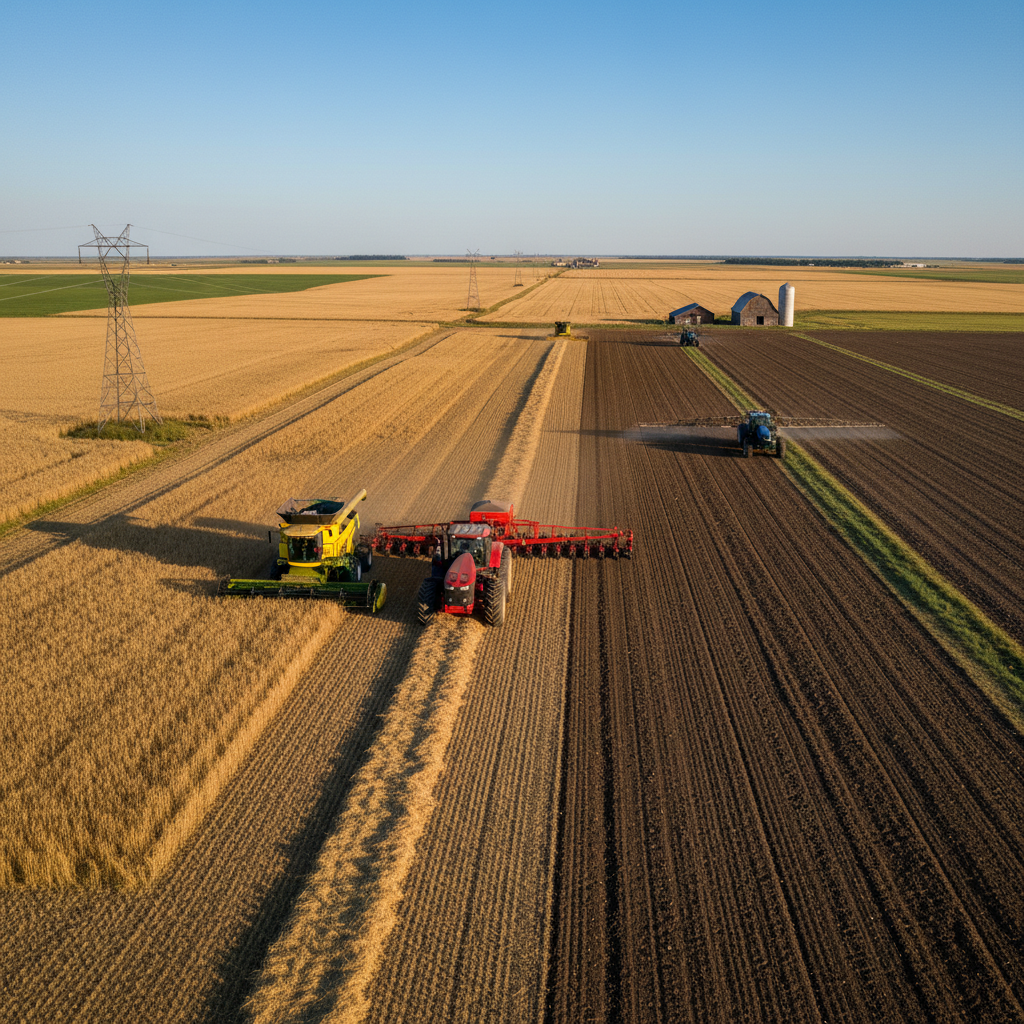
Saskatchewan has always been the breadbasket of Canada, and agriculture is the backbone of the province’s economy. Falling inflation has been a boon for farmers by easing pressures on such inputs as fuel, fertilizers, and seeds. This allows them to invest more in better equipment and technology, increasing productivity and output.
Apart from that, with the prices being stable, demand locally and globally continues to be high for Saskatchewan agricultural commodities. This balance is contributing to farmers’ and agribusinesses’ increased returns.
Natural Resources and Mining
The natural resources sector, specifically energy and mining, is also being positively impacted. Ease of inflation is the outcome that operating costs—such as equipment maintenance and labor—become easier to tolerate. With this, added to steady commodity prices, is causing investment in projects to develop resources.
The new developments in oil production and potash mining are creating new jobs and infusing increased capital into the province. The enterprises should keep the growth rate stable as inflationary pressures are contained.
Construction and Infrastructure
Building is another sector that is on the upturn. Since inflation has stabilized, costs of such items as steel and wood have been less volatile. This has increased both private and public investment in works such as roads, bridges, and housing development schemes.
Government investment in infrastructure not only holds people on the job in the immediate sense but also increases economic productivity in the long run, attracting more businesses to the province. It also enables population growth because it makes homes more affordable.
Improvements in Labor Markets
The positive inflation trend and sectoral growth are reflected in Saskatchewan’s labor market. Hiring is picking up, and unemployment is gradually receding. Employers are hiring more to fulfill growing demand, and wages are finally stabilizing after decades of rollercoaster riding.
More robust employment markets make the residents more prosperous, pumping funds into the economy as higher consumer spending. It is this confidence and growth cycle that is ultimately what keeps long-term economic wellness thriving.
Government Programs Foster Economic Health
The Saskatchewan government has been a vital part of riding out inflation fears and stimulating economic expansion.
They have made deliberate adjustments in the fiscal policy to align spending and revenue with an iron fist that is not overburdening the people. Agriculture, infrastructure, and research and development expenditure has been given priority to propel a diversified and robust economy.
Furthermore, the government is also looking to develop an investment-friendly and entrepreneurial environment that will attract investment and promote entrepreneurship. Eliminating red tape and training employees are all part of this plan, putting the province in position to grow in the coming years.
What Does This Mean for Saskatchewan Residents?
For the common citizens who live in Saskatchewan, the reduction in the rates of inflation and the consequent economic growth has a real impact. Lower inflation renders the cost of living low, either food or the electricity bill, which is vital for the pensioners and the family.
Increased and improved job opportunities with more chances of obtaining employment and career advancement. New investment, improved infrastructure, and better public services in the neighborhoods. All of these combined mean an improved quality of life for the province.
Looking Ahead: Challenges and Opportunities
Although economic prospects currently are bright, Saskatchewan must be careful. World factors, including supply chain disruptions and commodity prices, continue to be capable of impacting the economy. That the province also depends on extracting natural resources means that it must stay diversified so that exposure to the whims of the marketplace can be minimized.
But the foundation laid by steady growth and falling inflation gives the province a strong basis for long-term prosperity. Embracing innovation, expanding trade connections, and investment in technology and education will keep Saskatchewan thriving and competitive.
Conclusion
In 2025, the Saskatchewan economy is strongly on the increase, largely due to support from reprieve of inflation pressure. The trend has been driving key sectors like agriculture, mining, and construction while powering a stronger labor market and spurring government investment.
For customers and companies alike, benefits are derived from more predictable prices, employment growth, and increased opportunity. Though challenges remain to be faced, economic prospects for Saskatchewan are rosy, with a vibrant and growing economy well set to thrive in the years ahead.