- calendar_today August 28, 2025
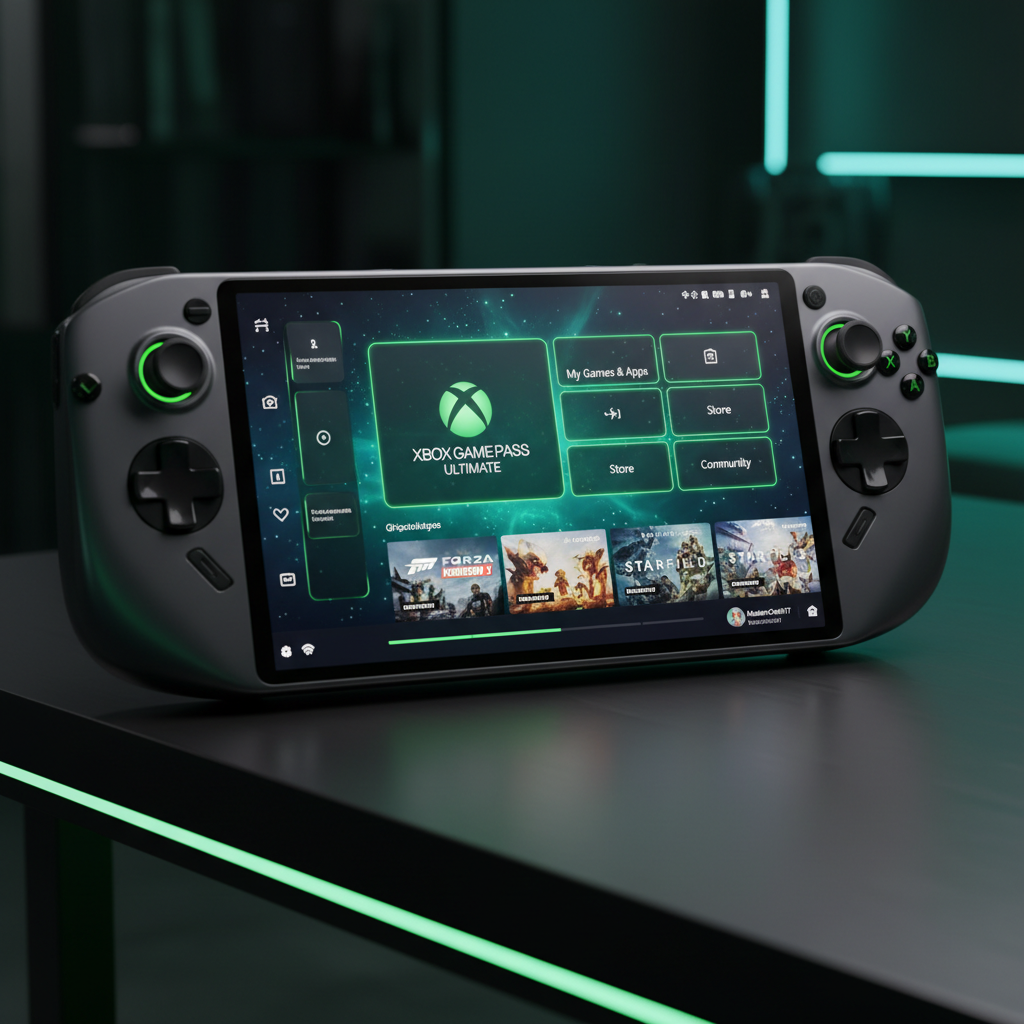
Microsoft enters the portable gaming market with a new Xbox-themed user interface created for Windows-based handheld devices. The new interface developed together with Asus will have its debut launch on the ROG Xbox Ally which stands as a modified edition of the ROG Ally handheld gaming device. The new interface replaces the classic Windows desktop-and-taskbar design with a full-screen tile-based display that works well with touchscreen and game controller controls to create a seamless console gaming experience.
The initiative represents a direct reaction to Valve’s Steam Deck success which operates on SteamOS built from Linux. A compatibility layer known as Proton enables SteamOS to run many Windows games while continuing to show major enhancements throughout recent times. Games made for Windows can operate on Linux systems through Proton because it builds upon the Wine project without needing a complete Windows installation. SteamOS lacks full compatibility with all titles yet remains an alternative to Windows and has attracted gamers seeking an efficient and dedicated gaming environment.
Microsoft’s new Xbox UI seeks to combine Windows’ extensive game compatibility with the straightforward nature of console gaming interfaces. The company stated that the UI will first launch on the ROG Xbox Ally and then extend to other ROG Ally handheld devices shortly thereafter. Starting next year other Windows handheld devices will offer users a comparable experience. Users will benefit from an interface designed for gaming on compact devices that retains the complete functionality and adaptability of Windows.
Microsoft has been developing the idea of a Windows mode optimized for handheld devices for quite some time. Microsoft employees held an internal hackathon in 2022 to tackle the limitations of Windows on handheld devices. The team suggested developing a “Windows Handheld Mode” which would include an improved touch interface for better user interaction along with enhanced controller support and optimized visibility and usability features. Microsoft has yet to confirm that the new Xbox UI originated from that prototype but many similarities between the UI designs stand out.
This initiative emphasizes performance as a critical element. Microsoft states that the new UI decreases RAM usage by several gigabytes and lowers energy consumption when it replaces the traditional Windows interface. Handheld devices benefit the most from these efficiency improvements because they extend battery life and ensure smoother gameplay performance. The original ROG Ally handheld devices need Asus’ Armoury Crate software to offer a console-like experience which contributes to the system’s overhead. The new Microsoft UI offers users the same capabilities but through a more streamlined and resource-efficient process.
Users who wish to access the full Windows desktop environment must make a conscious decision to start it manually. The hybrid approach delivers user flexibility by letting gamers switch between a minimalistic game-focused interface and a comprehensive desktop environment as needed. It offers the best of both worlds: The system delivers both streamlined gaming controls and full Windows system capabilities whenever needed.
After focusing on artificial intelligence and cybersecurity for two years Microsoft enters the handheld gaming market at a crucial time despite arriving late to this niche. The improvements of Valve’s SteamOS and Proton have enabled their functionality to extend past the Steam Deck to additional gaming devices such as specific hardware lines from Asus. The desktop market share of Linux reached over 4% for the first time last year due to these recent improvements.
Windows has maintained its dominant position in the PC market because it supports the majority of games and software. Initiatives such as Proton alongside platforms including SteamOS are gradually diminishing Windows’ control of the PC market. Users can now run Windows games through these technologies without depending on the Windows operating system which decreases Microsoft’s long-term control. As Windows grows more complex and demanding of resources while these alternative platforms continue to advance users may begin transitioning away from Windows.
The launch of Microsoft’s specialized handheld interface represents a strategic effort to maintain its position in the gaming market beyond simply competing with Valve. Microsoft aims to stay relevant in gaming as performance and flexibility become key factors for gamers. How well this new Xbox UI works will decide if Windows stays as the preferred platform for PC gaming or if users will begin seeking alternative platforms for superior handheld gaming experiences.