- calendar_today August 27, 2025
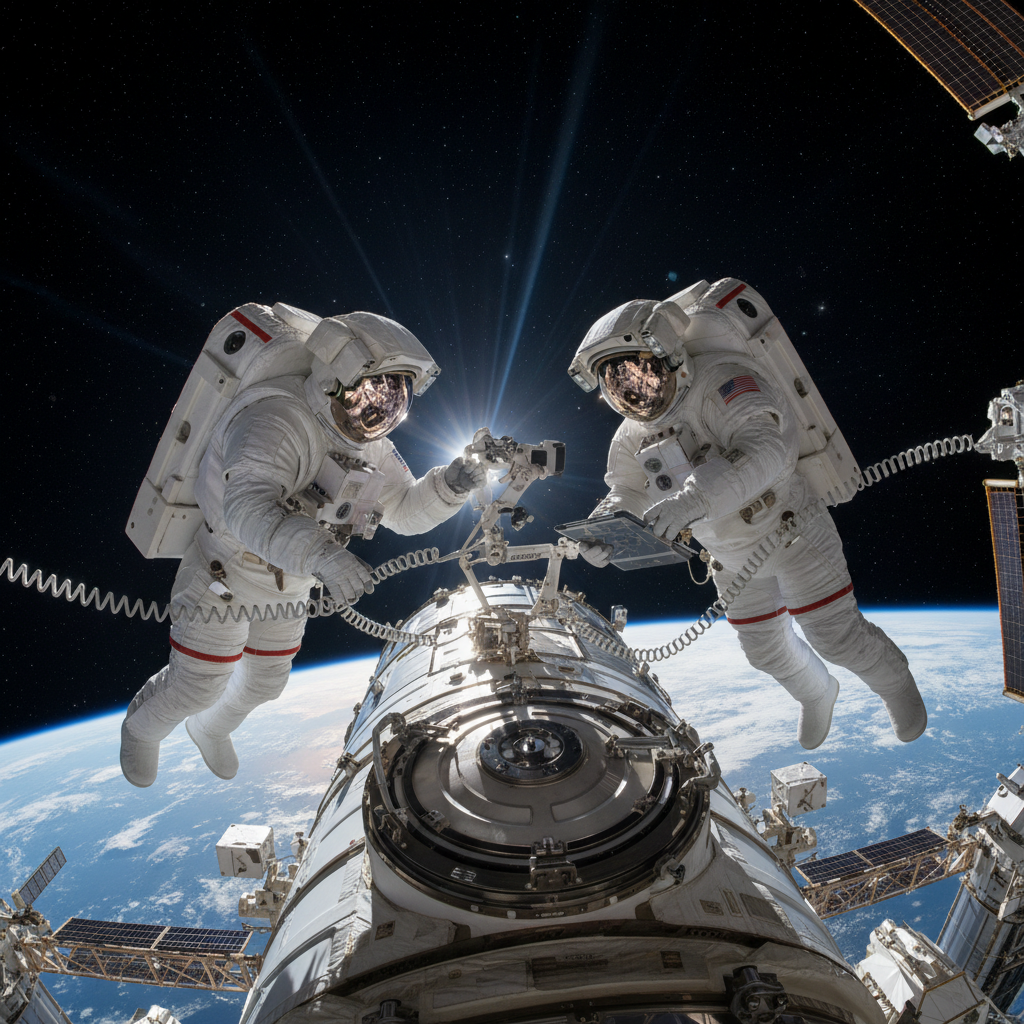
NASA encountered concerns about a new air leak on the ISS which resulted in postponing the launch of Axiom Mission 4. NASA and Roscosmos have decided to postpone the commercial mission because it was supposed to transport four astronauts to the space station while they evaluate the current situation. The agency has acknowledged the postponement but did not share many specific details about the situation. Various reports indicate that the leak represents a critical problem because most of the ISS hardware is now close to its 30-year orbital lifespan.
The station has previously encountered problems with air leaks. The air pressure in the ISS began declining gradually in the year 2019. The Russian Zvezda service module transfer tunnel stands as the identified main source of the leak because it is one of the International Space Station’s oldest components. The PrK section joins the Zvezda module to a docking port that Soyuz crew capsules and Progress resupply vehicles often use. Russian cosmonauts have executed several repair attempts to address the small cracks in this area over time. The fixes implemented to the air leak reduced the rate of loss to just a few pounds daily but failed to completely stop it. Sealing the PrK module hatch except during essential docking operations stands as the best solution to manage air loss.
Roscosmos announced successful repair completion for the PrK module this month, confirming the section was “completely sealed” while NASA validated this by showing stopped leak rates in that module. At first glance it appeared to represent a significant advancement. However, things quickly became confusing. Although officials reported that the PrK leak had been repaired, the International Space Station continued to experience a drop in air pressure. The station continued to lose pressure according to two sources but the source of this loss remained unidentified.
Current theories suggest that the hatch seals leading into the PrK module might be causing the problem. Despite fixing the PrK leak the hatch seals might still let air from other parts of the station flow into the PrK module. The PrK module would maintain stable pressure but the entire ISS will continue experiencing pressure losses. The issue remains frustratingly difficult to diagnose which led NASA to respond with caution. According to a senior industry source who spoke with Ars Technica NASA leadership has expressed worry about the problem and its possible impact on ISS structural integrity.
NASA postponed the originally Thursday-scheduled launch of Axiom Mission 4. In a brief statement, the agency said: NASA and Roscosmos gained more time to evaluate the situation through the delay of Axiom Mission 4 to see if further troubleshooting is needed.
There’s another layer of concern: The ongoing leaks could indicate high cycle fatigue in the spacecraft materials. High cycle fatigue develops in metals such as aluminum which make up much of the ISS structure when they experience ongoing stress through repeated usage. Similar to how a metal clothes hanger breaks when bent repeatedly between each end it will eventually snap. This same principle applies to spacecraft. Sudden catastrophic failures can happen when cracks caused by fatigue appear as seen in the 1988 Aloha Airlines mid-flight incident where metal fatigue led to the fuselage ripping apart.
NASA assesses structural cracking on the ISS as the highest risk level in its 5-by-5 risk matrix because of these potential threats. Crew members face no immediate danger yet the extended consequences remain concerning.
NASA has neither issued additional briefings nor organized a press conference to discuss the current situation. In response to media inquiries, the agency has reiterated a single point: The team aboard the International Space Station operates safely under standard procedures.
Still, the silence leaves many questions unanswered. The latest leak on the International Space Station highlights the difficulties of sustaining a laboratory that has been operational in space for decades while its systems deteriorate. Engineers work quietly to uncover the mystery while the world looks on and waits for both understanding and a lasting fix.