- calendar_today August 23, 2025
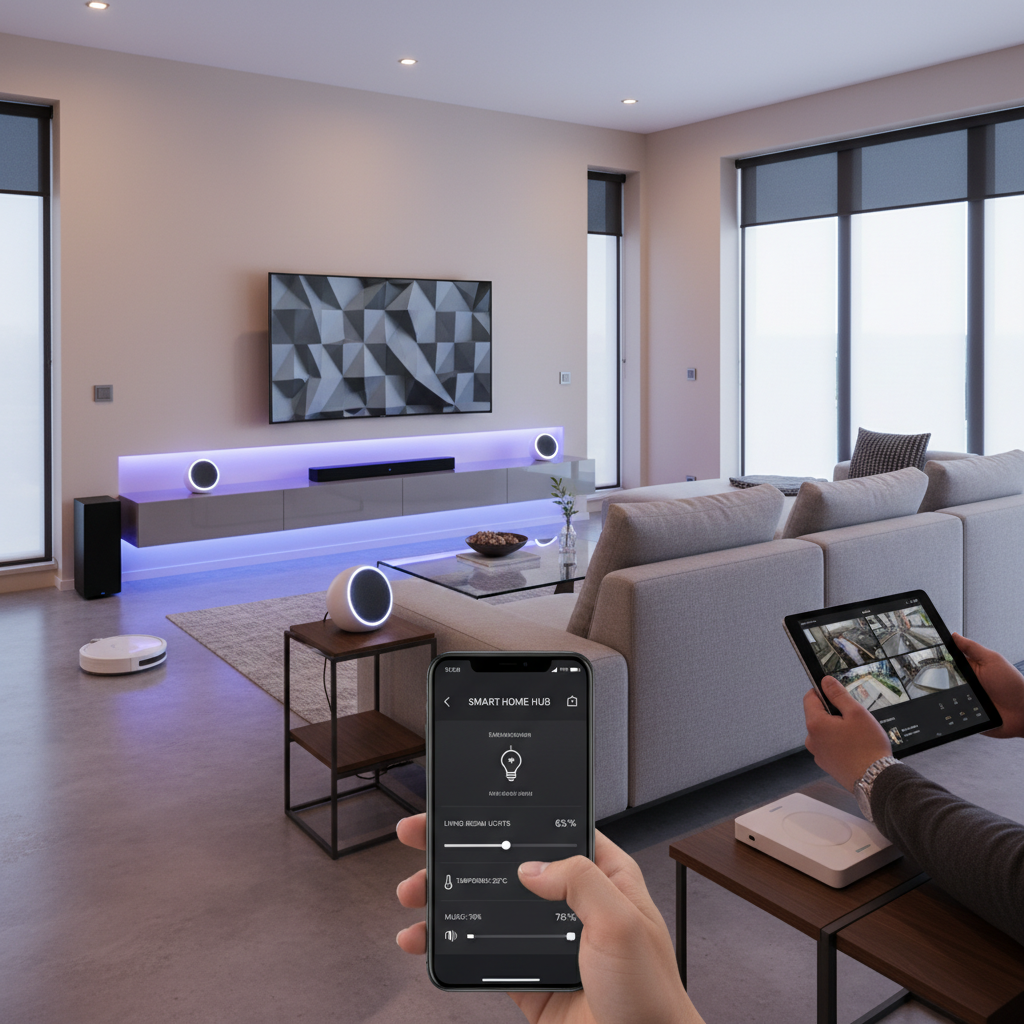
The Google Home app now boasts a major update that marks the beginning of a new stage of smart home control through intuitive operation and advanced automation capabilities. While Nest devices reach complete integration into the Home app the company develops a thorough redesign to greatly improve and streamline how users interact with the system. The transformation relies on extensive integration of Gemini AI to create smart homes that function intelligently and proactively. Together with expanded third-party device support through the Home API these advancements will transform smart living capabilities.
The Google Home app functions as the main control center for operating multiple smart devices. Users can control Google’s cameras, thermostats, and smoke detectors as well as devices from multiple other manufacturers through the Google Home app. The Home app has consistently sought to support mixed device environments yet users frequently struggle with its complex management requirements for different devices and detailed automations. Google maintains that the integration of artificial intelligence through Gemini’s conversational features will create a smarter and more efficient home experience which benefits users by providing seamless operation.
New Updated Features
The path to creating this AI-enhanced smart home started last year when researchers began testing Gemini integrations through Google Home’s experimental Labs program. Following the initial trials Google has greatly extended the reach of Gemini’s capabilities to support numerous third-party devices through the Home API. The initiative represents a major advancement toward building a fully interoperable smart home network by extending support beyond Google hardware to include various other connected devices. Google has been actively collaborating with a chosen group of partners to integrate their devices before they reach general availability. The new First Alert smoke/carbon monoxide detector alongside the Yale smart lock which steps in to replace Google’s previous Nest devices were the first beneficiaries of this enhanced integration. Google has teamed up with leading industry brands such as Cync lighting, Motorola Tags, and iRobot vacuums to demonstrate their dedication to covering a broad range of smart home categories from lighting solutions to automated vacuum cleaning systems.
The most significant aspect of the extensive Gemini expansion is its remarkable ability to transform smart home automation functionalities. The Labs program at Google enables users to create complicated routines with exceptional ease using conversational AI. Through its new capabilities users will speak their intents to Gemini like “Notify me about package deliveries when they reach my doorstep” or “Monitor my garden for intruders at night” which enables the AI to create the suitable automation automatically. Users no longer need to go through several menus and settings because this feature eliminates that tedious process. Natural language interaction for smart homes will allow sophisticated automation features to reach a broader audience without requiring technical skills. The expansion of Gemini’s support to include the automation API has made more smart home devices accessible to Gemini which will help it generate broader intelligent recommendations for automated tasks. The Gemini expansion will include additional triggers based on real-world conditions like specific dates and weather patterns to enhance the sophistication and adaptive relevance of home automations according to Google.
Google is launching a new tool to deliver clearer and more immediate understanding of current smart home activities because modern smart home systems often conceal their operational statuses due to their complexity. The Home Summary Widget delivers real-time updates and essential insights about your smart home’s current status straight to your Android device’s home screen. This dynamic widget proactively alerts users about newly delivered packages at their door or lights left on in empty rooms. The quick overview data enables peace of mind while boosting proactive management of the home environment by keeping users updated without opening the full Home app.
The new Home Summary Widget is currently being tested on a limited selection of Pixel phones. Google plans to expand this Home Summary Widget’s availability through its Labs program shortly which will enable more users to test its features and submit their feedback. Google continues to hold back from committing to any specific plans for a public release at this time. The deliberate strategy employed signifies Google’s dedication to extensive testing and refinement processes which will lead to a polished and dependable user experience prior to full deployment.
Developers interested in examining new APIs and supporting Google Home ecosystem development should subscribe to Google’s smart home developer newsletter. These developers will maintain access to important information and receive updates about the new capabilities during the early access program launch in the upcoming year. The message is clear: Google continues to develop its smart home solutions while extending an invitation to developers to collaborate in defining intelligent living’s future. Google Home guided by Gemini with its renewed emphasis on open standards and seamless integration stands ready to provide an intuitive and automated smart home experience for all users. Google demonstrates its dedication to smart home development by continuously working toward improved integration systems and intuitive controls that deliver proactive insights enabling seamless daily life incorporation and effortless smart living.