- calendar_today August 22, 2025
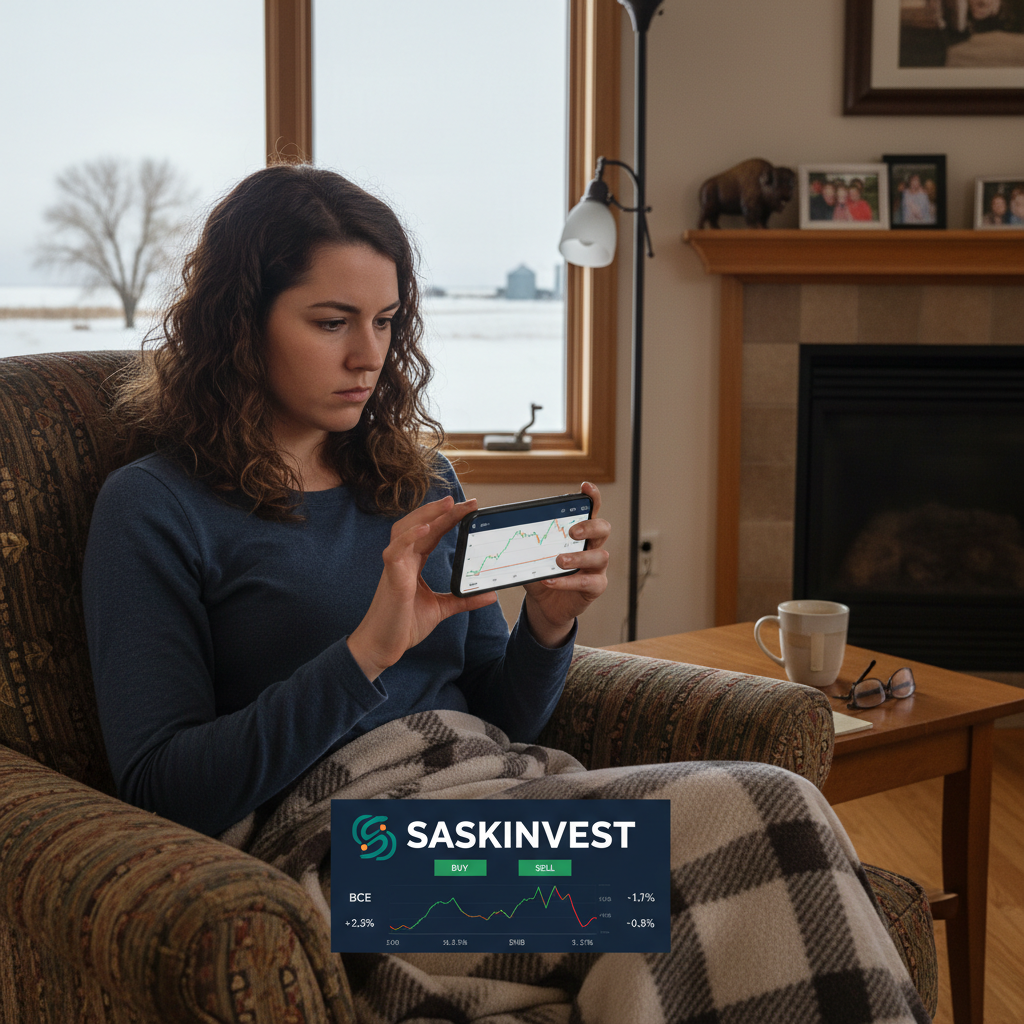
In 2025, stock market investing has become more accessible than ever for Saskatchewan residents. What was once primarily reserved for financial professionals is now available to anyone with a smartphone and an internet connection. Whether you’re living in Saskatoon, Regina, or Prince Albert, more and more residents are turning to mobile apps, online platforms, and brokerage services to explore stock market opportunities. As stock market interest grows in Saskatchewan, one important question remains: how does stock investing work for Saskatchewan residents?
At its core, stock investing involves purchasing ownership in a company. Whether you’re investing in a global giant like Apple or a local Saskatchewan-based business, owning stock means you have a stake in that company. This ownership allows you to potentially earn profits, but it also exposes you to risks based on the company’s performance and broader market conditions. For Saskatchewan residents starting their investment journey in 2025, understanding the balance between risk and reward is essential.
The Basics of Buying Shares: From Company to Investor
When a company wants to raise capital, it may list its shares on a public exchange like the New York Stock Exchange (NYSE) or Nasdaq through an initial public offering (IPO). Once listed, these shares become available for purchase by anyone—including Saskatchewan residents—who can buy and sell them through brokerage accounts, investment apps, or retirement accounts like RRSPs and TFSAs.
In Saskatchewan, many residents use trusted platforms such as TD Direct Investing, RBC Direct Investing, and Questrade for buying and selling stocks. These platforms provide useful tools to track stock prices, conduct research, and make informed decisions. Additionally, mobile-first platforms like WealthSimple Trade and SoFi make stock trading accessible, especially for beginners, by allowing users to trade directly from their smartphones. As of 2025, retail investors account for more than 23% of daily trading volume in the U.S., according to Morningstar, and Saskatchewan residents are increasingly participating in the growing trend of individual investors in the market.
What Drives Stock Prices?
Stock prices fluctuate constantly, but they don’t always reflect the true value of a company. Instead, stock prices are driven by supply and demand—the price buyers are willing to pay and the price sellers are willing to accept. Several factors influence stock prices, including company earnings, interest rate decisions, inflation expectations, and global economic events.
For Saskatchewan investors, it’s important to understand that strong earnings don’t always lead to higher stock prices. This is because stock prices are often influenced by market expectations. Even if a company performs well, its stock price might not rise if it doesn’t meet market forecasts. This highlights the difficulty of timing the market, even for seasoned investors.
The key takeaway for Saskatchewan residents is simple: instead of focusing on short-term price fluctuations, focus on long-term investments in companies with strong fundamentals, consistent growth, and a proven track record of success.
Why Saskatchewan Residents Are Turning to Stocks in 2025
With inflation continuing to rise and savings account interest rates offering low returns, many Saskatchewan residents are turning to the stock market for better long-term returns. While savings accounts now offer interest rates between 4.5% and 5.2%, these rates are no match for the potential growth of stocks. Historically, the S&P 500 has returned about 8% annually after adjusting for inflation.
This long-term outperformance has led to a rise in first-time investors. According to FINRA, nearly 41% of U.S. adults under the age of 35 now own stocks or ETFs. In Saskatchewan, many younger residents are taking advantage of this trend, using fractional shares and automated investing tools to gradually build their portfolios.
Additionally, index funds and exchange-traded funds (ETFs) are gaining popularity in Saskatchewan. These funds provide exposure to a broad range of companies, helping to diversify risk. This strategy is especially appealing to beginners because it reduces the risk tied to any single company’s performance and generally comes with lower fees compared to actively managed funds.
Risk, Regulation, and Staying Informed
Investing in stocks involves risks. A company’s stock price can fall due to poor earnings, industry disruptions, or broader economic changes. For example, in April 2025, a market-wide correction caused by shifting trade tariffs led to a 12% drop in the S&P 500 in just a few weeks, showing the volatility inherent in the stock market.
However, long-term investing has proven to be a reliable strategy. According to J.P. Morgan Asset Management, a diversified stock portfolio has never posted a negative return over any 15-year period since 1950, showing that a patient, long-term approach typically yields positive results.
The Canadian stock market, including those in Saskatchewan, is regulated by the Saskatchewan Financial Services Commission (SFSC) and the Canadian Securities Administrators (CSA), which ensure transparency, fairness, and ethical trading practices. Brokerages are required to be registered with the Investment Industry Regulatory Organization of Canada (IIROC), providing additional protections and resources to help Saskatchewan residents make informed decisions.
Getting Started: What Beginners in Saskatchewan Should Know
Getting started with investing in Saskatchewan is easier than ever. Opening a brokerage account is as simple as opening a bank account, with many platforms offering same-day setup and mobile access. Most platforms don’t require a minimum deposit, making investing accessible to a wide range of people.
Experts recommend starting with broad-market ETFs or S&P 500 index funds. These funds give you exposure to a variety of companies, spreading risk and reducing reliance on any single stock. Many beginners also use dollar-cost averaging, which involves investing a fixed amount on a regular schedule, regardless of market conditions. This helps smooth out the impact of short-term fluctuations in the market.
Additionally, Saskatchewan residents should be aware of capital gains taxes. Investments held for more than a year are taxed at a lower rate than short-term gains, so holding your investments for the long term can help minimize your tax burden.
Investing isn’t just about understanding the basics—it’s about building long-term wealth and financial security. Platforms like Investopedia, the SEC’s Investor.gov, and educational tools from your brokerage firm provide helpful resources to guide Saskatchewan residents through their investing journey.
With more tools and resources available than ever before, Saskatchewan residents in 2025 have an incredible opportunity to take control of their financial futures by investing in the stock market.