- calendar_today August 22, 2025
The saskatchewan fashion industry is watching closely as the economic woes of Lululemon are driven by poor demand and growing tariffs. Learn how local companies are addressing these economic troubles in 2025.
In 2025, global athleisure giant Lululemon is battling due to softer demand and an increase in tariffs on foreign imports. Saskatchewan fashion brands are closely watching these economic winds, as locally established brands are facing the blows of changing consumer behavior and changing price structures. Though the retail environment is cloudy, Saskatchewan retailers are responding to changing marketplace forces that are being fueled by Lululemon’s downturn.
Lululemon’s Struggles with Declining Demand
As consumer expenditures fall with inflation and economic insecurity, the majority of luxury brands such as Lululemon are experiencing declining demand for their products. Although Lululemon has prospered from its premium prices and hip athleisure wear, price-sensitive customers are moving to alternatives offered by locals and small players. This change in consumer trend is most evident in Saskatchewan, where the fashion industry is more price-conscious than in major metropolitan areas.
The retail industry of Saskatchewan is experiencing shifts in consumer preference as many choose cheaper, utilitarian clothing. Lululemon’s situation is indicative of the broader shift in the retail market as consumers become wiser with their finances. The retailers of Saskatchewan are therefore compelled to re-evaluate their product and price to attract the thriftier customer.
The Impact of Tariffs on Prices and Inventory Levels
Aside from the softening demand, Lululemon is also confronted with the increasing cost of importing products because of tariffs. These additional costs already weigh on the overall cost of its products, making them even more unaffordable to most Saskatchewan consumers. These added costs of producing and shipping will probably be passed on to the consumers, further affecting sales in a market where value for money is becoming a growing concern.
The tariff issue is especially worrying for Saskatchewan businesses that construct their fashion lines from imported materials. With tariffs adding to the cost of merchandise, the domestic businesses can be compelled to pass on the added expense to consumers in the form of higher prices or incur reduced profit margins. This adds further economic stress to the fashion industry in Saskatchewan, already suffering due to evolving consumer trends.
Local business owners Adjust to Changing Consumer Trends
Since Lululemon must contend with such economic constraints, storeowners in Saskatchewan are conforming to the shift in the market. They are primarily concerned with providing more budget-friendly options for consumers than luxury designers. Others are expanding their lines of locally-made apparel, enabling them to provide consumers with distinctive and budget-friendly products. In doing this, they are fulfilling more demanded appeal for budget-friendly athleisure items.
In addition to this, Saskatchewan retailers are also placing more importance on flexibility and toughness in their fashion lines. People are now more inclined to seek out products that provide something beyond just fashion — they are seeking out garments that can withstand the strain of use and are flexible enough to be utilized for multiple purposes. Local fashion companies are responding to this demand by launching products that focus on both fashion and function, meeting the changing needs of Saskatchewan consumers.
The Emergence of Ethical and Sustainable Fashion
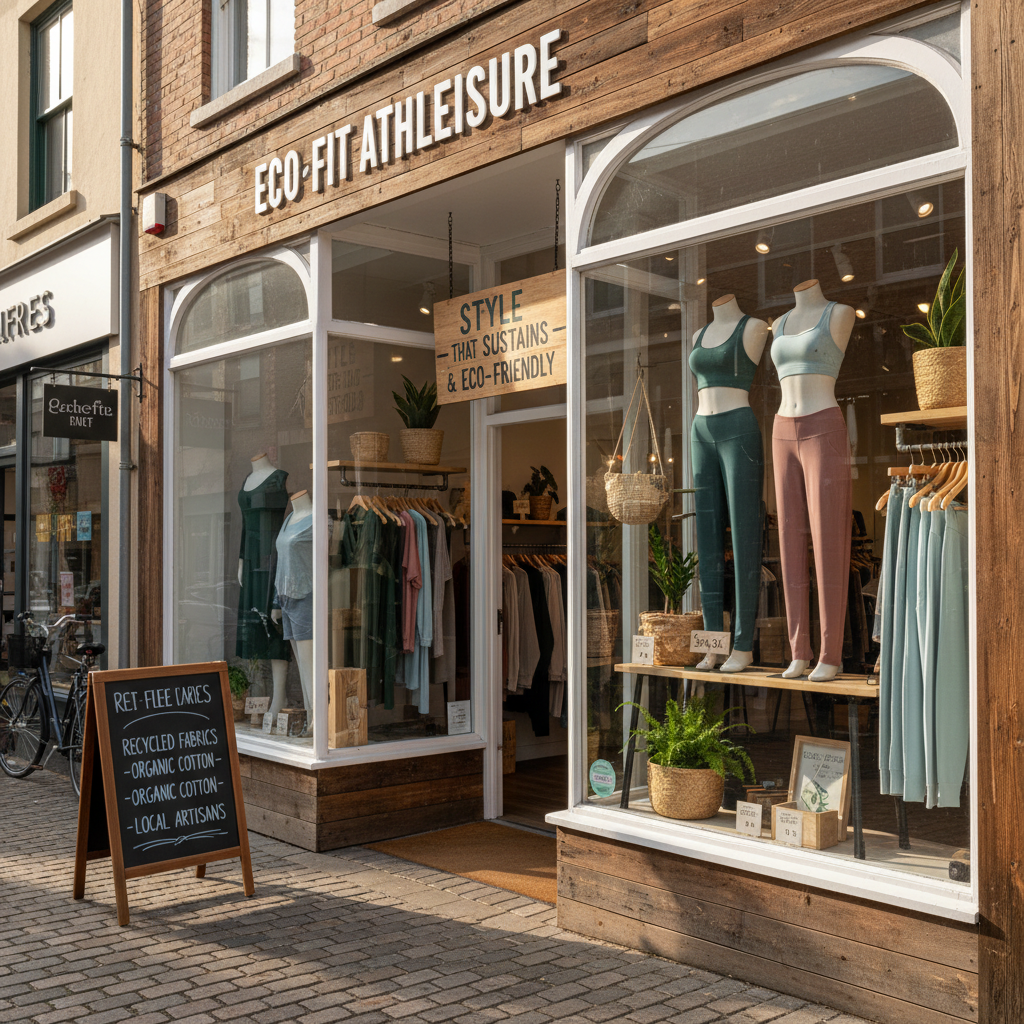
But another large trend for Saskatchewan fashion is the demand for sustainability and ethical clothing. With individuals becoming increasingly aware of what they buy at an expense to their society and environment, there is a growing demand for sustainable and green clothing. And that’s where Saskatchewan fashion shops are finding opportunity to stand out, selling products that can be paired with customers’ values.
As Lululemon falters, other Saskatchewan retailers are promulgating those brands that ensure ethical production, fair labor conditions, and eco-friendly materials. By joining this market, they not only solve consumers’ pain but also become pioneers for the emerging ethical fashion movement. This new direction towards sustainability is forcing local businesses to build brand loyalty and gain eco-aware consumers.
The Future of Saskatchewan’s Fashion Sector
The retail and fashion scene in Saskatchewan is evolving, partly as a response to Lululemon’s plight. Frugal consumers and shifting demand towards sustainable options, Saskatchewan retailers are modifying their approach to stay competitive. Provide affordable, long-lasting, and sustainable offerings is becoming an increasingly dominant aspect of Saskatchewan’s fashion industry as they struggle to keep up with altering consumers’ expectations.
As 2025 goes along, Saskatchewan fashion companies will need to be resilient and adaptable in the face of market conditions. By diversifying their lines, going green, or adjusting their prices, local retailers are discovering how to change in order to overcome the disadvantages wrought by increasing tariffs and subdued demand. By its emphasis on value, sustainability, and customer satisfaction, Saskatchewan’s fashion industry is well-positioned to ride out current economic pressures and keep expanding in a competitive retail market.
Conclusion
Saskatchewan’s fashion industry is closely watching Lululemon’s financial woes as the global brand grapples with weakening demand and increasing tariffs. With consumers growing increasingly price-conscious and green, local stores are responding by shifting their offerings to stay in step with these evolving tastes. Saskatchewan companies, with a vision of value, long-term durability, and eco-awareness, are setting themselves up for success in an ever-changing retail environment. The secret to success in 2025 will be how one can adapt to the needs of customers and yet have a competitive advantage in the market.