- calendar_today August 15, 2025
How Hyundai’s Expansion Could Affect Saskatchewan’s Economy
Hyundai’s $21 billion investment in automotive and steel production in the United States has raised discussion all over North America. This expanded investment focuses on production reinforcement in the U.S., but ripples will be felt in neighboring Canada, especially in provinces such as Saskatchewan, as they operate within industrial, resource, and trade networks that provide support within manufacturing.
With Hyundai ramping up electric vehicle (EV) production, battery supply chains, and steel procurement, businesses and politicians in Saskatchewan are looking at how this investment will create opportunities and challenges for the economy in the province.
Economic Impacts Possible for Saskatchewan
It is worth noting that while much of the expansion is happening just south of the border, raw material, industrial suppliers, and logistics technology for Saskatchewan are quite integrated with North America’s manufacturing ecosystem. Therefore, the province might experience reallocation effects in demand directed towards its resources-including metals, minerals, and agricultural products used in the industrial production process.
1. Effect on Steel and Raw Material Exports from Saskatchewan
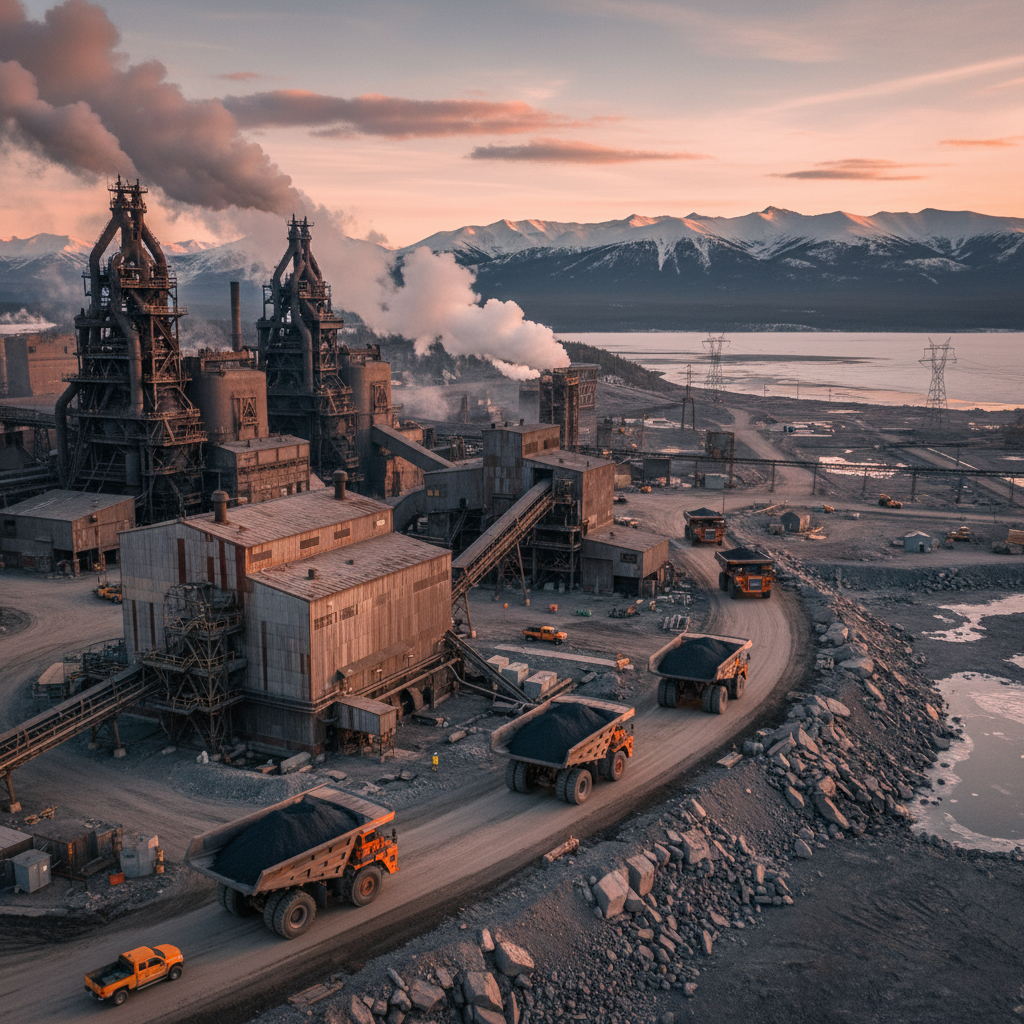
Saskatchewan holds certain critical raw materials that are going into steel production, iron ore being one of them, and a host of other minerals. Hyundai’s investment into steel production in the U.S. probably has positive and negative repercussions for the mining and resource industries in Saskatchewan.
Additional Demand for Saskatchewan’s Resources – Should Hyundai extend its supply pipeline, then Saskatchewan’s mining and metallurgical sectors might also be induced into greater importation of materials such as iron ore or potash, used in several industrial applications.
Competition for U.S. Suppliers – Having increasingly sourced steel within the U.S., Saskatchewan’s steel-related exports will be challenged more by competition.
Change in Supply Values – New conditions regarding pricing and trading patterns are more likely to be imposed on suppliers based in Saskatchewan due to changes in the procurement strategies for steel and metals.
Saskatchewan businesses will need to prepare for these kinds of changing trade patterns as the North American steel industry changes, accompanied by the potential changes in material sourcing policies to take in light of the above.
2. Opportunities within Electric Vehicle and Battery Supply Chains
Hyundai’s investment is focused on strengthening its supply chains for electric vehicle (EV) production and battery manufacturing, thereby potentially creating new trade opportunities for Saskatchewan’s mining of the state’s key minerals used in battery production.
Lithium and Rare Earth Elements (REEs) – Emerging deposits in Saskatchewan of lithium and rare earth elements are prerequisites for the production of EV batteries. Increased focus by Hyundai on the production of EVs could spur demand for these minerals.
Partnerships for Battery Recycling – Saskatchewan is positioning itself as a pioneer in technologies related to battery recycling, which in all likelihood will be a future avenue that Hyundai will explore for sustainability efforts.
Fresh Investment on Energy Innovation – With Hyundai strongly biasing clean technologies, Saskatchewan’s groups in research could be beneficiaries of partnerships in clean energy and battery technology innovation.
If Saskatchewan can position itself as a reliable supplier for Hyundai’s expanding EV production, the province could gain new economic opportunities in the global shift toward electrification.
3. Effects on Saskatchewan’s Agricultural and Transport Sectors
Hyundai’s investment extends beyond automotive and steel—it influences transport logistics and industrial production, which directly impact Saskatchewan’s economy.
- Changes in Freight and Export Demand – Hyundai’s U.S.-focused expansion could alter shipping routes and export demand for Saskatchewan’s products.
- Potential Impacts on Heavy Machinery Sales – With Hyundai investing in manufacturing and industrial growth, Saskatchewan’s agriculture and mining equipment sectors could experience shifts in equipment availability and pricing.
- Rail and Transport Adjustments – Saskatchewan’s reliance on rail networks for trade means any U.S. supply chain adjustments could affect shipping costs and logistics efficiency.
Conclusion
Hyundai’s $21 billion investment is a major development for North American manufacturing, particularly in automotive and steel industries. While much of the focus is on U.S.-based production, the economic effects will extend into Canada—including Saskatchewan.
By leveraging its resources, mining expertise, and role in industrial supply chains, Saskatchewan can capitalize on opportunities in EV production, steel supply, and logistics innovation. However, businesses and policymakers must monitor shifts in trade, pricing, and competition to navigate the evolving economic landscape effectively.