- calendar_today August 14, 2025
Saskatchewan’s real estate market in 2025 is defined by resilience and adaptation. While national headlines focus on larger metros like Toronto and Vancouver, Saskatchewan offers stable, income-producing opportunities in both urban and rural markets. With interest rates steadying and inflation cooling, investors across Regina, Saskatoon, and surrounding regions are leaning into long-term strategies that emphasize demographic alignment, local growth, and operational efficiency.
Which property types are seeing the most attention in Saskatchewan? From housing to logistics, several key sectors are performing strongly and adjusting well to the province’s economic rhythm. These seven categories aren’t just holding value—they’re evolving to serve the needs of Saskatchewan’s diverse population and industries.
Multifamily Housing: A Growing Urban Core Asset
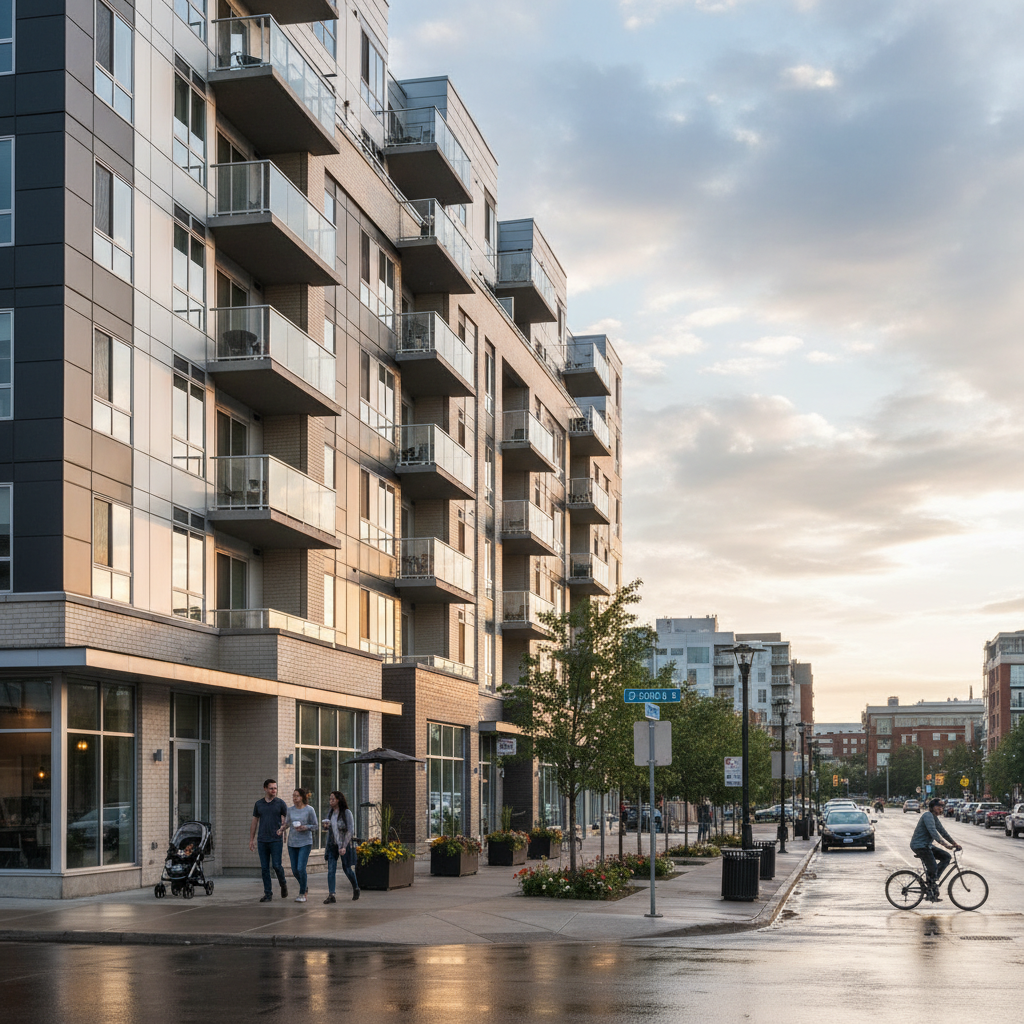
In cities like Regina and Saskatoon, demand for multifamily housing continues to grow. With rising interest rates keeping many first-time buyers out of the market, Class B and C rental apartments are becoming the go-to housing solution for young professionals and working-class families.
Vacancy rates in key neighborhoods are tightening, and mid-rise buildings with modern amenities are outperforming. Investors in Saskatchewan are favoring build-to-rent models and modestly upgraded walk-ups, particularly in areas with access to transit, education, and healthcare. Rental growth in Regina and Saskatoon remains steady, with an average increase of 2.5–3% projected for 2025, according to CMHC projections.
Industrial Properties: Powering Regional Logistics
Industrial real estate is quietly thriving across Saskatchewan. As Canada strengthens its domestic supply chains, warehouse and logistics hubs near key highways—such as those outside Saskatoon and Moose Jaw—are seeing increased demand. The province’s role in agriculture, potash, and energy logistics makes industrial assets especially valuable.
According to Colliers Canada, Saskatchewan’s industrial vacancy rate dropped below 4.5% in Q1 2025, with cold storage, agricultural supply centers, and light manufacturing spaces in high demand. The trend is being driven by e-commerce growth and Western Canada’s need for regional fulfillment infrastructure.
Single-Family Rentals in Secondary Cities
Affordability remains one of Saskatchewan’s key real estate advantages. But even here, more families are opting to rent rather than buy—especially in fast-growing communities like Prince Albert, Swift Current, and Yorkton. Single-family rentals (SFRs) in these markets are appealing to workers in healthcare, education, and energy sectors who seek space and stability without long-term mortgage commitments.
The 2025 Roofstock Investor Index shows a rise in investor interest in SFRs across rural and suburban Saskatchewan. These properties are typically low maintenance and attract long-term tenants, especially in areas near expanding school districts, healthcare facilities, and resource-based employers.
Migration Patterns: Urban Attraction with Rural Value
Saskatchewan is benefiting from both interprovincial migration and international immigration. While younger newcomers are drawn to urban centers like Saskatoon and Regina for education and work, others are settling in smaller towns where housing is cheaper and community ties are strong.
These migration patterns are guiding new development and renovation efforts. Developers and landlords who follow population shifts are building near job centers tied to agriculture, energy, and public services. Investment is also flowing into small-town retail plazas and residential communities, especially where infrastructure improvements are underway.
Mixed-Use Development: A Localized Revival
Saskatchewan’s downtown cores are seeing a quiet revival, especially in Saskatoon and Regina. Mixed-use developments—featuring residential units above retail or office space—are gaining traction in walkable neighborhoods. Projects in places like Regina’s Warehouse District and Saskatoon’s Riversdale are turning older buildings into vibrant hubs for professionals, students, and families.
While smaller in scale than projects in major metros, Saskatchewan’s mixed-use developments are more financially accessible and community-focused. Municipal programs that support urban renewal and densification are further boosting investor confidence.
Niche Assets: Senior and Student Housing
Senior housing is becoming a key focus in Saskatchewan as the population ages. In 2025, regions like Moose Jaw, Weyburn, and Prince Albert are seeing demand rise for assisted living and independent senior communities. Developers are responding with tailored housing that includes on-site healthcare access, mobility-friendly designs, and social amenities.
Student housing is also on the upswing, particularly near the University of Saskatchewan and the University of Regina. High pre-lease rates and strong demand for furnished, internet-ready units make student properties a reliable investment. Investors targeting these niche sectors are benefiting from consistent occupancy and relatively low turnover.
Risk Factors and Regional Considerations
Saskatchewan’s real estate market is more stable than volatile, but that doesn’t mean it’s risk-free. Extreme weather events, aging infrastructure in some areas, and economic dependence on resource industries (like oil and potash) can introduce volatility. Investors should also consider municipal tax regimes, as property taxes can vary significantly across communities.
While interest rates have stopped rising, they remain above pre-2022 levels. That means financing costs are still a factor—particularly for smaller investors or those targeting renovation-heavy projects. Conservative underwriting, diversified holdings, and a focus on operational efficiency remain essential.
Expert Insight: What the Analysts Say
“Saskatchewan’s appeal lies in its balance—steady demand, affordability, and relatively low competition,” says Lauren Bellingham, senior economist at CBRE Canada. “While it doesn’t offer the flash of big-city returns, it rewards investors who understand local needs and plan for long-term gains.”
According to RE/MAX’s 2025 Canadian Housing Report, secondary markets like those in Saskatchewan are playing a larger role in national investment strategies. The report highlights regional population growth, new infrastructure, and housing affordability as driving forces behind investor momentum.
Strategic Diversification is Key in 2025
Saskatchewan’s 2025 real estate landscape favors balanced, diversified portfolios. Investors who blend urban multifamily with suburban SFRs, or pair industrial assets with niche housing, are positioned for long-term resilience.
Multifamily and industrial remain core opportunities, while SFRs and mixed-use projects offer creative paths to consistent returns. Student and senior housing are steadily growing, and small-town investment continues to gain traction. With strong fundamentals and lower barriers to entry than major metros, Saskatchewan offers a stable, value-driven landscape for real estate investors in 2025.