- calendar_today August 13, 2025
Saskatchewan, long known for its agricultural legacy and wide-open economic landscapes, is navigating a modest yet promising commercial real estate (CRE) recovery in 2025. While national headlines often focus on the surges and slowdowns in metropolitan hubs like Toronto or Vancouver, Saskatchewan’s CRE story is one of gradual resilience, tied closely to its resource-based economy, provincial policies, and emerging industrial corridors.
Agriculture and Industrial Assets Fueling Stability
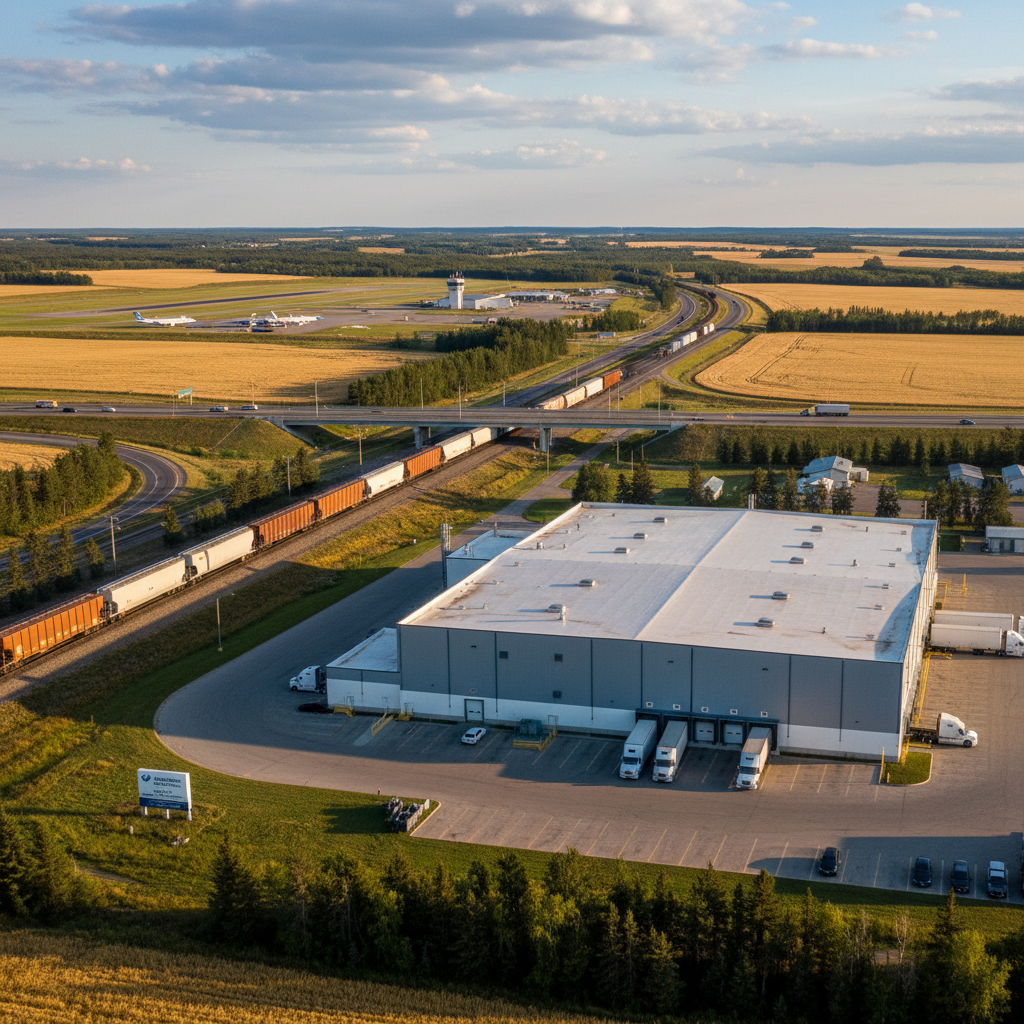
Agriculture remains a cornerstone of Saskatchewan’s economy, and it’s providing foundational support for commercial real estate activity. As global food security becomes increasingly important, agribusinesses are expanding operations in and around Regina, Saskatoon, and rural municipalities. This demand is driving interest in warehousing, logistics hubs, and cold storage facilities—particularly near transport infrastructure such as Highway 1 and CN rail lines.
Industrial properties across the province are seeing low vacancy rates and slight increases in lease prices. Developers are taking a cautious approach to new builds, focusing on build-to-suit options that cater to specific agricultural and industrial tenants rather than speculative projects.
Office Space: Modest Movement, Hybrid Models
Saskatchewan’s office market is undergoing changes similar to other parts of Canada, though at a gentler pace. The hybrid work trend has prompted organizations to rethink their space usage. Rather than downsizing entirely, many local businesses are choosing to reconfigure layouts to accommodate flexible workspaces and collaboration zones.
Vacancy rates remain moderate in both Regina and Saskatoon, hovering around 14-15%. However, landlords are offering incentives such as tenant improvement allowances and rent-free periods to attract and retain tenants. Government offices continue to be significant occupiers, stabilizing the market.
Retail Evolution: Local Growth, E-commerce Adjustments
Retail real estate in Saskatchewan is adjusting to shifting consumer habits. While e-commerce has dampened demand for large-format retail in some urban centers, local retailers and service-oriented businesses are finding opportunities in smaller, community-focused developments.
Neighbourhood retail strips in Saskatoon and Regina are being revitalized with cafes, wellness services, and boutique grocers. Meanwhile, suburban shopping centers are incorporating mixed-use elements such as residential units or co-working spaces to increase foot traffic and economic viability.
Multifamily Conversions and New Opportunities
Although Saskatchewan is not typically a hotspot for high-density residential projects, the rising cost of homeownership and population inflows from interprovincial migration are prompting interest in multifamily housing. This trend is beginning to spill into CRE through adaptive reuse—converting underperforming commercial properties into apartments or mixed-use developments.
Saskatoon has seen a few successful pilot projects involving former office buildings repurposed into rental units. These conversions not only address housing needs but also inject new life into downtown commercial districts.
Investment Climate: Conservative but Promising
Investors are approaching Saskatchewan’s CRE market with caution but not disinterest. The province’s historically stable economy, supported by natural resources and agriculture, presents a less volatile investment alternative to overheated markets elsewhere.
Cap rates remain higher than in cities like Toronto or Calgary, making Saskatchewan appealing to yield-focused investors. Industrial assets continue to lead in demand, followed by suburban retail plazas with strong anchor tenants. Foreign investment remains limited but is beginning to show signs of growth, especially from U.S.-based firms looking to diversify their Canadian holdings.
Infrastructure and Policy Developments
Infrastructure projects are playing a pivotal role in shaping the future of Saskatchewan’s CRE market. The expansion of logistics corridors, including upgrades to provincial highways and intermodal terminals, is making regions outside the major cities more attractive for industrial and commercial activity.
The Saskatchewan government has also introduced incentive programs for renewable energy and agricultural innovation, which are expected to create ripple effects in the commercial property landscape. Industrial parks designed around sustainable practices are being proposed in select rural municipalities, offering a modern take on traditional development models.
Regional Hotspots to Watch
Here are some key changes to look for:
- Saskatoon: The city remains the most active CRE market in the province, with steady leasing in industrial and small-format retail segments. Downtown revitalization projects are also boosting investor sentiment.
- Regina: Demand is being driven by logistics and light manufacturing, with the Global Transportation Hub offering new opportunities for businesses seeking centralized distribution capabilities.
- Prince Albert and Moose Jaw: These secondary markets are attracting attention due to proximity to key transportation routes and lower land costs, making them ideal for agricultural storage and regional distribution centers.
Outlook for 2025 and Beyond
Saskatchewan’s commercial real estate market may not offer the rapid growth or headlines of Canada’s urban giants, but its strengths lie in consistency and grounded demand. The province’s natural economic advantages, particularly in agriculture and logistics, are providing the stability necessary for a sustainable recovery.
Looking ahead, strategic public investment, modest population growth, and a focus on adaptable developments are expected to keep Saskatchewan’s CRE landscape resilient and quietly competitive in 2025 and beyond.