- calendar_today August 10, 2025
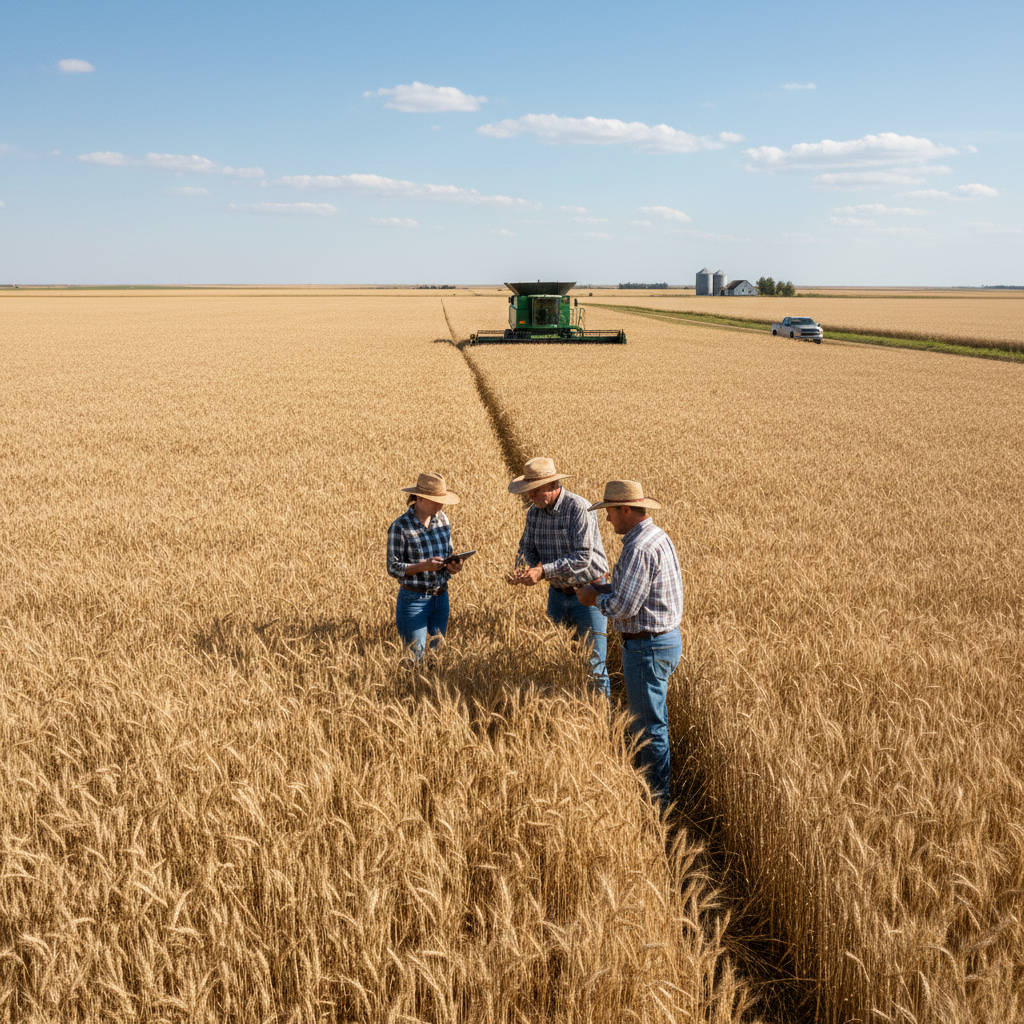
Saskatchewan’s agriculture sector, a cornerstone of its economy, is grappling with significant challenges in 2025 due to escalating international tariffs. The United States’ imposition of a 25% tariff on Canadian agricultural imports has notably impacted canola, wheat, and beef exports. Additionally, China’s announcement of 100% tariffs on canola oil, canola meal, and pea imports, along with 25% tariffs on pork and aquatic products, has further strained the province’s export markets .Government of Saskatchewan
These trade barriers have led to decreased competitiveness of Saskatchewan products, affecting investment and the provincial economy. Farm groups express concerns over the long-term implications, highlighting potential disruptions in production, trade flows, and supply chains.
In response, the provincial government is exploring new markets and focusing on diversifying trade partnerships to mitigate the impact of these tariffs.
Tourism: Resilience Amid Global Uncertainties
Tourism remains a vital component of Saskatchewan’s economy, generating approximately $3 billion in annual travel spending and supporting over 62,000 jobs in 2024 . Despite global economic uncertainties and fluctuating travel restrictions, the province’s tourism sector shows resilience.
Domestic tourism has seen an uptick, bolstered by a weaker Canadian dollar, making local travel more appealing. Events like the Saskatoon Fringe Theatre Festival continue to attract significant attendance, contributing to the sector’s recovery.Wikipedia
However, international tourism faces challenges due to global economic uncertainties. The provincial government is investing in marketing campaigns targeting emerging markets to diversify its tourist base and reduce dependency on traditional markets.
Technology: Embracing Innovation and Growth
Saskatchewan’s technology sector is experiencing substantial growth, with employment increasing by 108.6% since 2019, outpacing other prairie provinces . The province is on track to surpass its Growth Plan goal of tripling the tech sector by 2030.
This growth is driven by advancements in agtech, digital agriculture, and smart farm equipment . Programs like the Made in Saskatchewan Technology (MIST) initiative encourage innovative solutions to public sector challenges and promote growth within the province’s technology sector.
Despite global supply chain disruptions, Saskatchewan’s tech sector continues to thrive, contributing significantly to the province’s economic diversification efforts.
Economic Outlook: Navigating Fiscal Challenges
The imposition of broad U.S. tariffs is projected to result in a 1.4% drop in Saskatchewan’s GDP, given the province’s reliance on agricultural exports . These economic pressures necessitate strategic fiscal planning and diversification to maintain economic stability.Producer
The provincial government is focusing on strengthening internal markets, investing in infrastructure, and fostering innovation to mitigate the adverse effects of international trade tensions. By leveraging its strengths in agriculture, tourism, and technology, Saskatchewan aims to build a resilient and diversified economy capable of withstanding global economic fluctuations.