- calendar_today August 10, 2025
Saskatchewan local industries and Saskatchewan investors react to market movement due to U.S. tariff policy adjustments.
Introduction
Saskatchewan markets are reacting positively to the Dow Jones futures’ increase in response to the latest tariff flexibility declaration by Donald Trump. The policy shift may be of vital significance to the province’s agriculture, manufacturing, and energy sectors—sectors that are very dependent on trade relations with the U.S.
As Saskatchewan cements its image as a world-class export hub, homegrown investors and business owners are pondering how shifting tariffs can ease trade barriers and drive economic conditions. This article examines the probable impact on the province’s economy, key industries, and investment climate.
Saskatchewan’s Trade-Dependent Economy
Saskatchewan’s economy is export-based, and its largest trading partner is the United States. Its major exports like agricultural produce, potash, and energy resources are vulnerable to U.S. tariff policies. Any change in tariff structures can directly affect pricing, cost of production, and market access.
Following the recent surge of Dow Jones futures, Saskatchewan enterprises hope that reduced tariffs will ease cross-border business and increase their competitiveness in the US market.
Agriculture Sector Watches for Relief
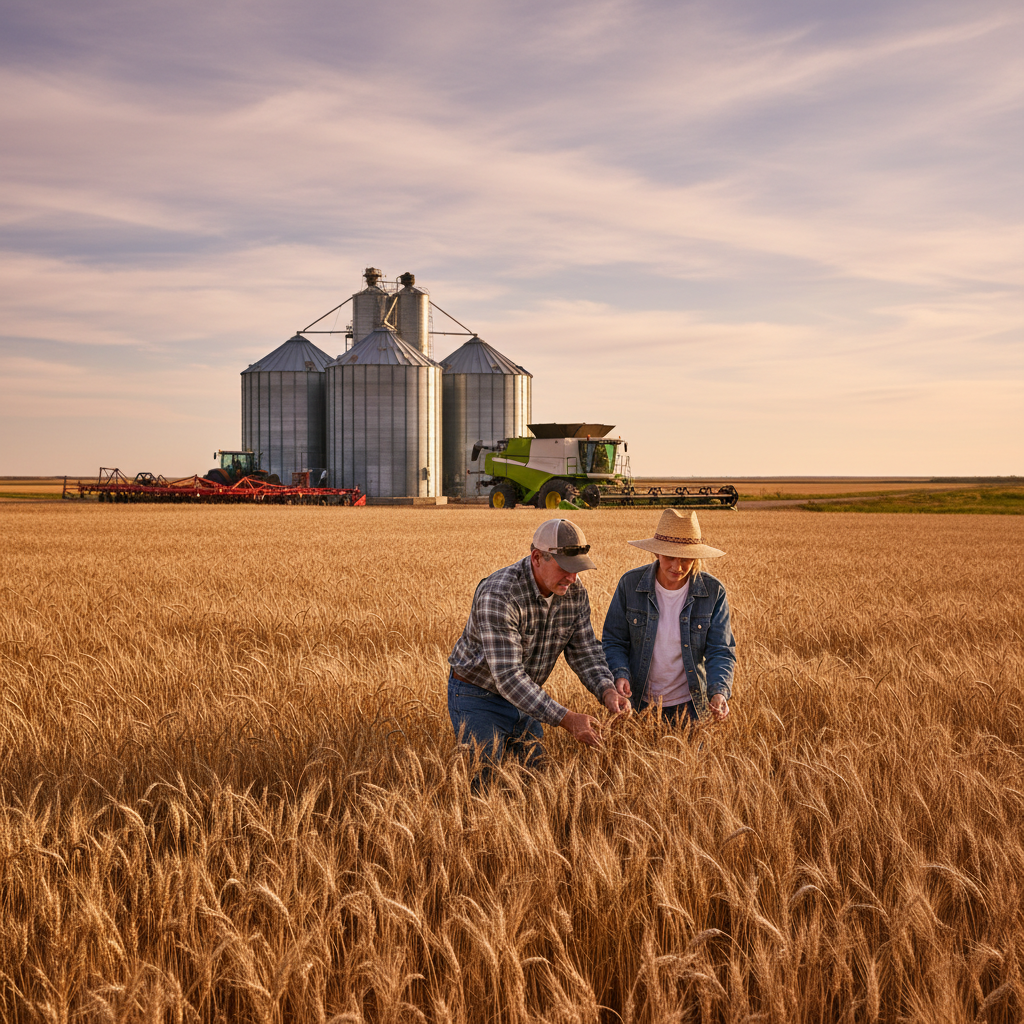
Agriculture is the backbone of Saskatchewan’s economy, accounting for more than 40% of the province’s overall exports. A huge amount of grain, oilseed, and livestock go to the U.S., and any tariff relief would lower the export prices and enhance farmers’ and agribusiness’s profit margins.
As reported by the Saskatchewan Association of Rural Municipalities (SARM), relaxing tariffs on farm products would help grain farmers and livestock producers who have experienced rising input prices and market volatility.
John Peters, a farmer producing wheat west of Regina, said, “Any diminution in tariffs translates into greater access to the American market, and that could stabilize prices and enhance our bottom line.”
Manufacturing and Energy Sectors Respond
Saskatchewan’s manufacturing industry, especially machinery and food processing, also depends on U.S. trade. If tariff policies relax, domestic manufacturers can expect reduced production costs and higher export levels.
Likewise, the energy industry—especially oil and uranium—can expect beneficial impacts from lower tariffs. Saskatchewan is among the world’s top uranium producers, and fewer trade barriers with the U.S. can translate into higher export potential and more stable markets.
Investment Community’s Outlook
Saskatoon and Regina financial analysts are taking a guarded optimism toward the Dow Jones futures rise. Although short-term market responses are positive, long-term investment policies will hinge on the sustainability of these tariff revisions.
Local investors are closely monitoring industries such as agriculture technology, energy infrastructure, and renewable resources, which will stand to gain the most from a positive trade environment.
Effect on Small Businesses
Small and medium-sized enterprises (SMBs) in Saskatchewan—many of which rely on U.S. trade—are also monitoring the situation closely. Lowered tariffs may reduce costs of doing business and enhance access to U.S. markets, especially for food production and manufacturing firms.
As an example, local food processors may be able to export canola oil and meat products with relative ease while being able to offer competitive prices.
Provincial Government’s Response
The Saskatchewan Government has recognized the potential economic value of flexibility in tariffs. It continues to promote stable U.S.-Canada trade relations under such agreements as the USMCA.
In a recent declaration, Saskatchewan’s Trade and Export Development Minister highlighted the significance of open markets for the province’s economic development and demanded predictable trade policies to benefit local industries.
Future Outlook of Saskatchewan’s Economy
Should tariff adjustments become permanent, the economy of Saskatchewan may face:
- Increased Agricultural Exports: Lower exports costs for grain, livestock, and oilseeds to the U.S.
- Increased Manufacturing Growth: Improved terms of production and market access for machinery and processed products.
- Increased Energy Export Growth: Enhanced trade conditions for uranium and oil shipments across the border.
But economic experts warn that everything depends on the international trade pattern and the consistency of U.S. policies in the coming months.
Conclusion
Saskatchewan’s industries and markets are responding favorably to the Dow Jones futures rally after Trump’s tariff policy flexibility. For a province closely linked to global trade, any easing of tariff barriers brings promise of economic growth, competitive exports, and investment opportunities.