- calendar_today August 9, 2025
The escalating trade tensions between the United States and China in 2025 continue to reshape global markets and economies, including Saskatchewan’s. With a robust agricultural sector, significant energy production, and growing manufacturing industries, Saskatchewan’s economic landscape is tightly connected to international trade flows and supply chains. The recent tariff increases and retaliatory actions are adding complexity and uncertainty, making it crucial for investors in the province to stay informed and adaptable.
The United States has imposed tariffs reaching as high as 54% on a broad range of Chinese products, including electronics, automotive parts, and machinery. China responded with retaliatory tariffs on American exports, particularly agricultural products, and tightened export controls on rare earth minerals vital to technology and green energy sectors. These moves have amplified volatility and uncertainty in financial markets worldwide.
Economic Impact on Saskatchewan
Saskatchewan’s economy is especially vulnerable to these trade disruptions due to its heavy reliance on agriculture and natural resources, alongside growing manufacturing activities.
Agriculture and Crop Exports
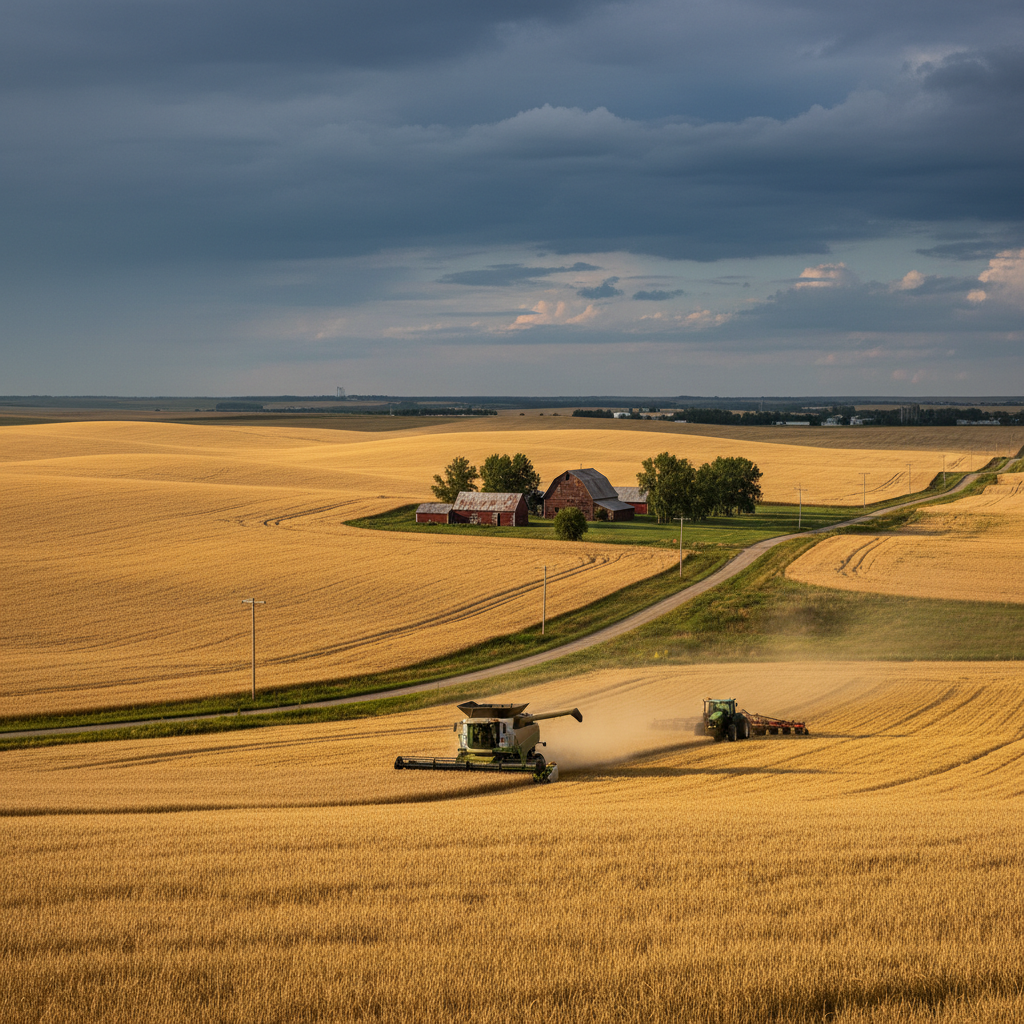
Agriculture forms the backbone of Saskatchewan’s economy, with major production of wheat, canola, lentils, and other pulses. China has been a key export market, but tariffs and shifting trade policies threaten to reduce demand and depress prices. These changes may create headwinds for farmers and agribusinesses, impacting profitability and economic growth in rural communities.
Energy Sector
Saskatchewan is an important producer of oil, natural gas, and uranium. Although energy exports are not directly affected by tariffs, global market uncertainty can influence commodity prices and investment in exploration and production. Additionally, restrictions on rare earth minerals affect clean energy technology deployment, an area of growing focus in the province.
Manufacturing and Industry
The manufacturing sector in Saskatchewan, including machinery and equipment production, is intertwined with international supply chains. Tariffs and export barriers can raise costs and disrupt production timelines, affecting companies’ competitiveness domestically and abroad.
What Saskatchewan Investors Can Do
In this unpredictable environment, investors should consider several strategies to mitigate risk and capture opportunities:
- Diversify Investment Portfolios:
Limit exposure to sectors heavily impacted by China-U.S. trade tensions and explore investments in domestic-focused industries like infrastructure, healthcare, and utilities. - Explore Alternative Asset Classes:
Commodities such as grains and energy resources, real estate investment trusts (REITs), and inflation-protected securities can provide useful hedges against market volatility. - Stay Informed and Responsive:
Monitor trade negotiations, government policies, and company performance closely to make timely portfolio adjustments. - Invest in Innovation and Reshoring:
Opportunities exist in companies advancing clean energy technologies or benefiting from reshoring trends, offering growth potential amid shifting global dynamics.
Navigating Uncertainty with Strategy
The ongoing U.S.–China trade tensions underscore the complexities and vulnerabilities of Saskatchewan’s global economic ties. While some sectors may face short-term disruptions, the province’s diversified economy and resource strengths offer resilience.
For investors, adopting a flexible, well-informed approach and maintaining a diversified portfolio will be key to managing risks and uncovering new opportunities in Saskatchewan’s evolving economic landscape.