- calendar_today August 8, 2025
Increasing Tariffs and Supply Chain Issues Bounce Back Against Saskatchewan’s High-End Automotive Market
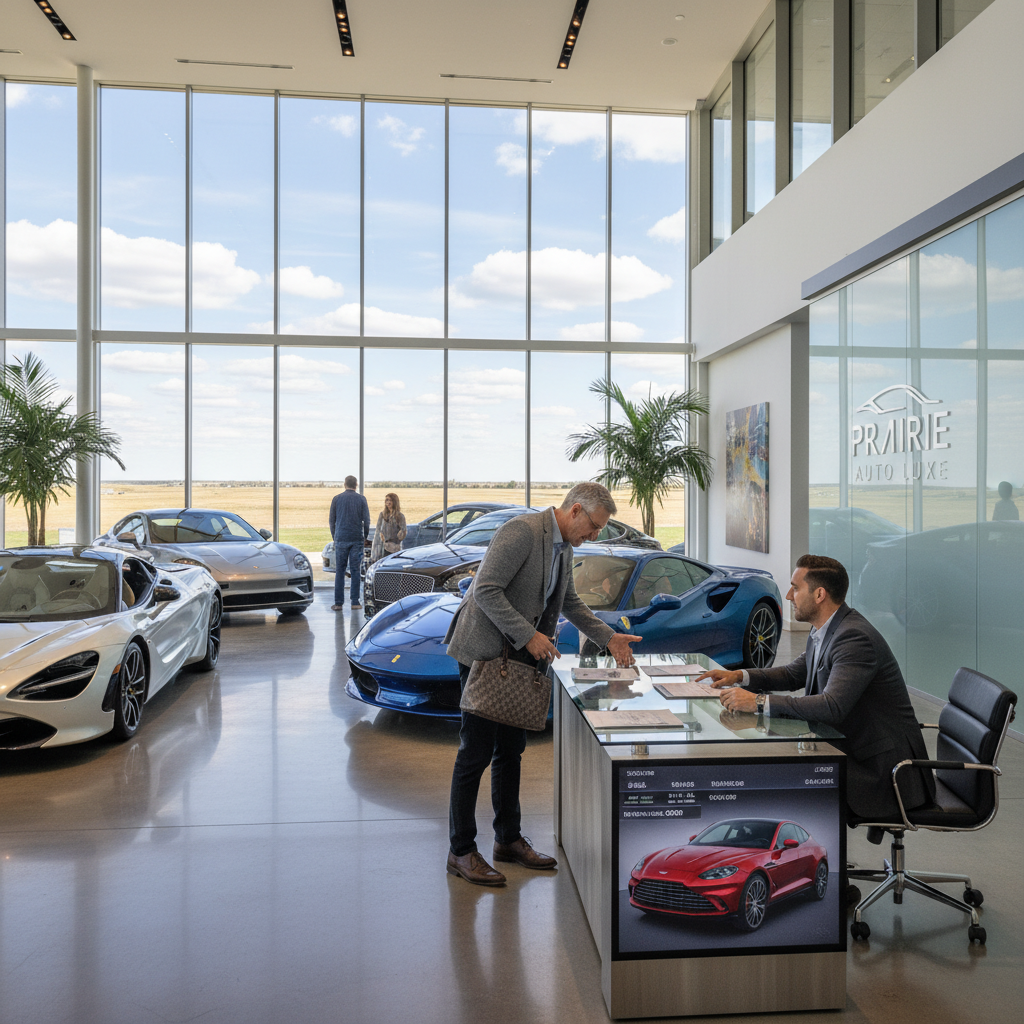
Saskatchewan’s luxury auto industry is growing increasingly challenging as Trump’s trade policies keep shaking up global markets. With higher tariffs placed on foreign vehicles and automotive components, the high-end car stores and buyers in the province are experiencing the brunt. As prices increase and supply becomes less predictable, the luxury vehicle segment is under severe financial pressure.
Increased Costs of Luxury Cars
One of the most direct effects of Trump’s trade policies on Saskatchewan’s luxury auto brands is that the prices of vehicles will be higher. Mercedes-Benz, BMW, and Porsche are just a few high-end carmakers who depend largely on imported finished cars and components from Europe and Asia. Tariffs on these imports have gone up by as much as 25%, and the dealerships are now having to pass these along to customers.
Saskatchewan luxury car consumers are now paying more sticker prices. For example, a brand-new Mercedes-Benz S-Class, which used to retail at about CAD 140,000, now sells for about CAD 165,000. This steep hike is discouraging potential buyers and decelerating sales throughout the province.
Supply Chain Disruptions Intensify
Apart from increased prices, supply chain problems are the second biggest problem. Tariffs imposed on car components and raw materials have resulted in bottlenecks, which caused delays in delivery of cars and repairs. Rural geography in Saskatchewan makes matters worse, with complex logistics required for luxury brands to move vehicles and parts across borders.
Dealerships say wait times for best-selling luxury models have increased by several months. Additionally, service centers are having trouble getting critical parts, and customers must wait longer to get their vehicles repaired. This has caused luxury car owners frustration, as they anticipate fast and hassle-free service.
Changing Consumer Preferences
The increasing expense and supply chain holdups are forcing numerous Saskatchewan consumers to reassess their high-end vehicle buying decisions. Rather than purchasing the latest models, some consumers are turning to certified pre-owned units, which bring comparable luxury components at a less expensive price point.
Also, fewer people are entering new lease arrangements. Increasing costs of vehicles translate to higher monthly lease payments on luxury cars that have risen by 15-20%, rendering them less accessible. This consumer behavior change is promoting more risk-averse spending and lowering the number of new car leases.
Economic Impact on Local Businesses
Saskatchewan’s high-end automobile market adds to the province’s economy in terms of employment and business activity in sales, maintenance, and financing areas. With Trump’s trade policies increasing costs and lowering demand, local businesses associated with the high-end car business are also being squeezed.
Automotive repair shops are struggling to find parts, and they in turn delay service and make customers unhappy. Lending institutions providing auto loans and leases are also experiencing reduced business as fewer deals are transacted in luxury vehicles. This wider economic ripple effect is increasing concern among Saskatchewan’s business community.
How Dealerships Are Adapting
To survive the difficulties brought about by Trump’s policies on trade, luxury car dealerships in Saskatchewan are new approaches. Most are introducing competitive pricing plans and incentives to push sales regardless of increased prices. Dealerships are also highlighting Canadian-assembled vehicles, which are less subjected to tariffs.
Some dealerships are expanding their stock of pre-owned luxury cars to provide customers with more affordable options. Others are adding more customer service options to maintain loyalty despite longer wait times for repairs and pickups.
The Road Ahead for Saskatchewan’s Luxury Auto Industry
Though the future is unclear, Saskatchewan’s luxury car market is preparing to face additional disruption if Trump’s trade practices continue. Industry insiders caution that extended tariffs would result in continuing higher prices, further reducing luxury cars’ appeal to many consumers.
In the meantime, both business and consumers are adapting to the new reality of increased costs and supply chain volatility. As trade tensions continue to influence the market, Saskatchewan’s luxury automobile brands have continued challenges in sustaining sales and consumer satisfaction.