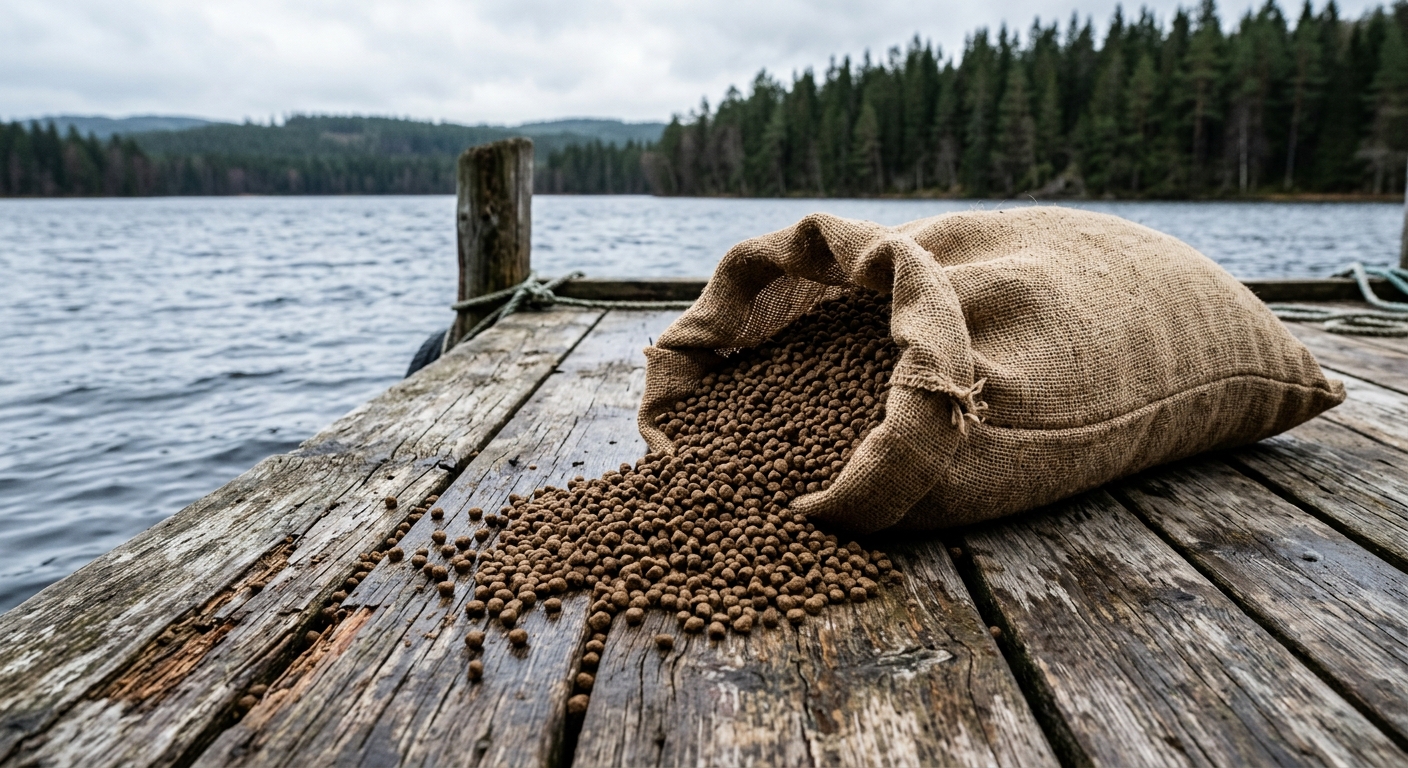
AI-generated illustration; not a photograph of the reported event.
- calendar_today October 9, 2026
Fish Meal Production Exposed in India and Beyond
In 2020, government investigators in Goa, India, discovered unlawful practices at the United Marine Products fish meal factory. The factory, which converts wild-caught fish into protein-rich powder for aquaculture feed, had illegally disposed of toxic wastewater by drilling boreholes behind its facility. This practice likely contaminated local groundwater, impacting the health of villagers and livestock. Despite repeated citizen complaints about foul air and unsafe water, the plant owner denied any wrongdoing.
Connection to Canadian Seafood Supply Chains
The same Indian factory supplied fish meal to Skretting, a major global feed producer whose products are used by fish farms in Canada. As a result, seafood consumers in Canada—including those who purchase salmon from British Columbia and New Brunswick or trout from Quebec—may indirectly be linked to environmental and social issues associated with overseas fish meal production.
Global Environmental and Social Costs of Fish Meal
A five-year investigation by The Outlaw Ocean Project mapped more than 1,400 fish meal factories in 64 countries, uncovering a range of hidden costs: job losses among artisanal fishers, chemical exposure, fatal workplace accidents, and violent protests due to pollution and factory odors. These impacts disproportionately affect poorer nations that supply the fish meal used in global aquaculture feed, while luxury seafood is consumed elsewhere. In Peru, the world’s largest producer of fishmeal, concerns persist over overfishing and pollution, while in regions like Gambia and Mauritania, diversion of locally important fish stocks to meal production has heightened food insecurity.
Canadian Reliance on Imported Fish Meal
Canada operates over 200 fish farms, most of which depend on fish meal and fish oil—much of it imported—to feed carnivorous species such as salmon and trout. While domestic fish meal is commonly derived from processing byproducts (rather than whole fish), approximately two-thirds of fish meal used in Canada (around 53,000 tonnes in 2023) is sourced internationally. Canada also imports over $4 billion in seafood annually, much of which relies on fish meal feed.
Industry Accountability and Sustainability Claims
The Outlaw Ocean Project assessed over 2,400 vessels involved in fish meal production, finding widespread non-compliance with transparency standards. Half of the species targeted by these vessels are classified as "overexploited" or worse. Although the fish meal industry claims to be reducing its reliance on wild fish by incorporating alternative ingredients such as insects and algae, increased demand has seen some large salmon producers—two with operations in Canada—increase their overall use of fish meal between 2020 and 2024. The Canadian Aquaculture Industry Alliance notes progress in reducing fish meal content in salmon feed to under 20 percent among its members.
Pollution and Social Risks in the Fish Meal Industry
At least seven fish meal factories operate in Canada, and recent years have seen some linked to pollution or questionable fishing practices. However, the most severe consequences—such as food insecurity, collapsed fisheries, and pollution—are experienced in lower-income countries where Canadian seafood is sourced. For instance, Canada imports significant shrimp from India, where fish meal factories have seen workplace incidents, including fires and asphyxiations. Major Canadian seafood suppliers have stated commitments to responsible sourcing, with Skretting launching an internal investigation into supply chain practices after the revelations.
Source: cbc.ca.