- calendar_today July 4, 2026
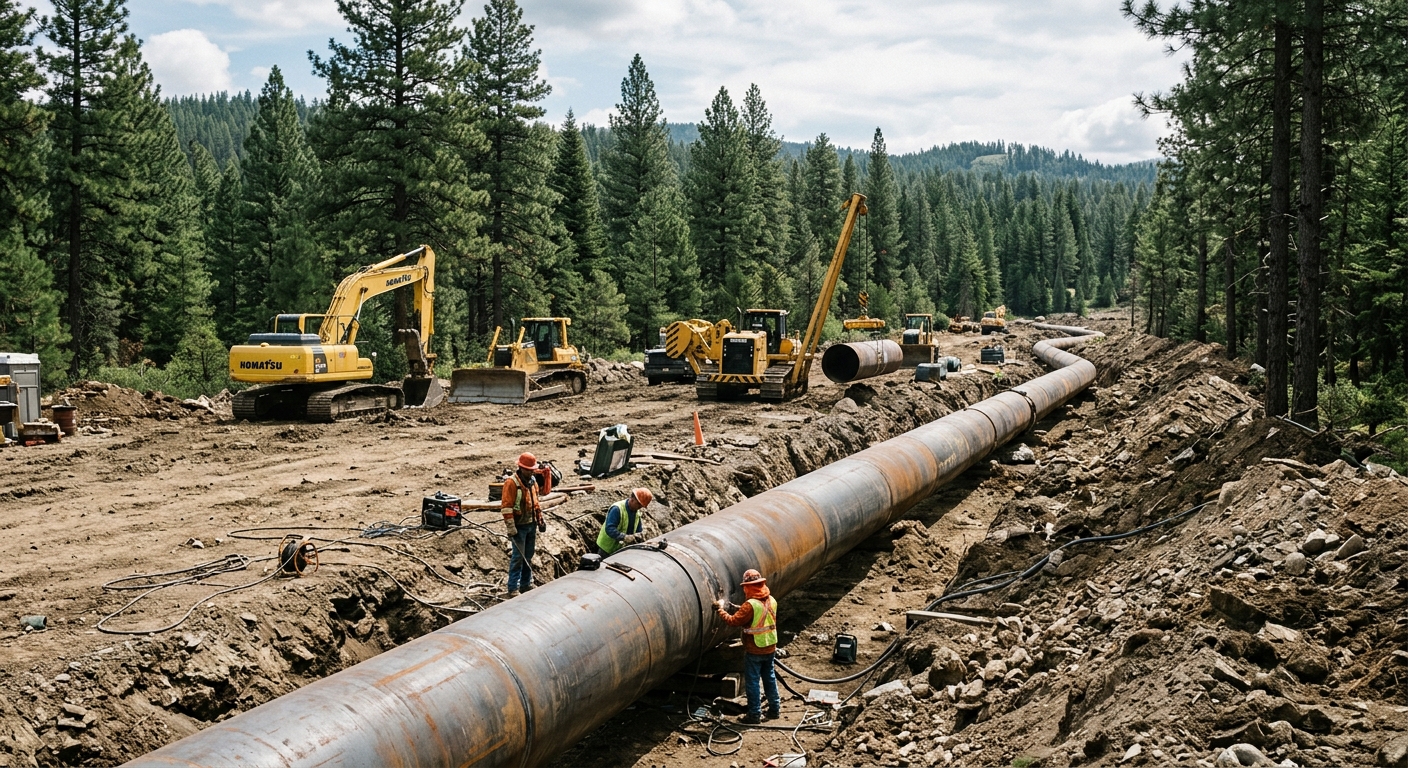
TORONTO METRO – Alberta’s ambitious pipeline proposal to the southwest coast of British Columbia is generating significant attention in Toronto Metro and across Canada, as leaders and analysts weigh the project’s implications for the region and the national energy sector. The alberta pipeline, estimated to exceed $35 billion, emphasizes a large-scale public-private partnership, with initial ownership held 90 percent by federal and provincial governments.
Government Leads in Pivotal Pipeline Project
Announced amid ongoing debates about energy infrastructure, the pipeline project stands out for its heavy government backing. Economists and industry observers argue that significant government investment is essential for such major undertakings in Canada, echoing the approach used in historic nation-building efforts including railways and waterway development. With the private sector wary due to high costs and regulatory risks, policymakers see public involvement as key to advancing this nation-critical energy initiative.
Modeling a Public-Private Partnership for Energy Growth
The pipeline will be governed as a public private partnership, with a minority stake currently held by Pembina Pipeline Corporation. Officials indicate Pembina’s share could increase in future phases. This structure is designed to attract private capital while managing risk and ensuring public interests are protected, a model increasingly seen in major Canadian infrastructure projects.
Expanding Market Access for Canadian Energy
A core aim of the alberta pipeline is to broaden market access beyond the United States, allowing Canadian producers to reach global energy markets and potentially secure higher prices for domestic crude. With the United States dominating past export routes, this diversification is anticipated to benefit the sector, including Toronto Metro’s investment firms and oil service industries that follow national trends in resource development.
Job Creation and Community Impacts
Supporters highlight the expected creation of pipeline jobs—from pipeline construction to oil extraction—and the associated economic benefits for communities along the proposed route, such as Bruderheim, Alberta. The project is projected to drive demand for skilled workers and local suppliers, reflecting an economic ripple effect that may be felt across the country and in cities like Toronto, which has a strong financial sector linked to resource development.
Commitment to Environmental Responsibility
To address environmental concerns, the proposal is contingent on building the Pathways carbon capture initiative in parallel. Carbon capture technology is expected to mitigate emissions tied to pipeline operation and the oil sands alliance. This aligns with Canada’s climate commitments and growing demand among investors and stakeholders for cleaner energy development.
Lessons from Trans Mountain and Sector Challenges
While optimism surrounds the project, recent history offers cautionary lessons. The trans mountain pipeline expansion faced cost overruns and regulatory delays, realities that industry insiders and project leaders acknowledge. Vigilance in oversight and transparent reporting will be essential to maintain public trust and attract further investment.
Positioning for Future Growth and Investment
Experts believe successful completion of the alberta pipeline could bolster Canada’s reputation for delivering large-scale energy infrastructure. The project may attract further investment into the sector, especially if it demonstrates an effective public-private framework and adherence to sustainability standards. For Toronto Metro, which hosts many of the nation’s leading investors and analysts, the development offers a lens on national infrastructure strategy and the evolving oil sands alliance.
As the proposal advances through planning and regulatory review, its impacts will be closely monitored in Toronto Metro and beyond—signaling both opportunity and challenge at a pivotal moment for Canada’s energy future.