- calendar_today April 23, 2026
The Toronto Metro region is recognizing the transformative impact of the anatomical gifts program, an initiative that continues to shape the future of medical education. The recent passing of Doreen Edna Buhler at age 96 has drawn new attention to this program’s crucial role in training healthcare professionals and supporting research at the University of Alberta.
Legacy of Learning Through Donation
Buhler’s decision to participate in the anatomical gifts program exemplifies a remarkable spirit of generosity. Her body donation, like those of many others, will serve as an indispensable resource for students and researchers learning about human anatomy. Operating since 1921, the University of Alberta program is among Canada’s most established, receiving between 50 and 80 donations every year. These anatomical gifts directly support students in medicine, dentistry, physical therapy, and a range of health sciences, ensuring that future practitioners have access to the most rigorous and practical education possible.
Unmatched Educational Value for Medical Students
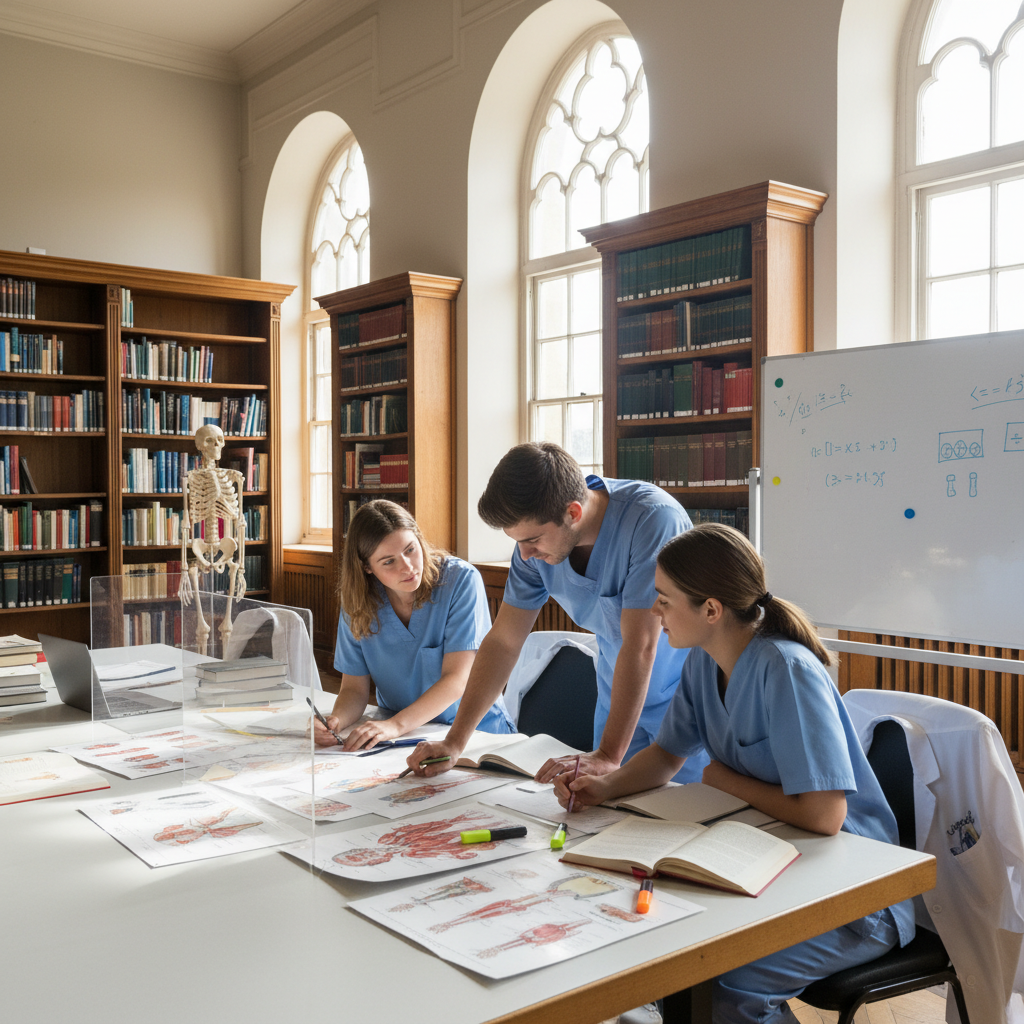
Experts and students from Toronto Metro and beyond agree that the live experience of examining a donated body is invaluable. Second-year medical student Margaret Juryn emphasizes that while textbooks and models are useful, they cannot replace the insights gained from real human tissue. This approach to medical training allows students to deeply understand the intricacies of human anatomy and disease, better preparing them for the complexities they will face in the healthcare field. The anatomical gifts program ensures that medical students have access to this critical, hands-on learning environment.
Honoring Donors and Their Families
Annually, the University of Alberta hosts a donor memorial to acknowledge the individuals and families who have chosen to make an educational donation. The commemorative service pays tribute to the profound sacrifice made by donors like Buhler, highlighting how their contributions further both medical research and education. The event also serves to provide a sense of closure and appreciation to donor families, many of whom find comfort in knowing their loved one’s legacy is contributing to societal well-being.
Options for Donors and Their Relatives
The anatomical gifts program ensures that the wishes of donors and their families are respected throughout the process. After studies are complete, remains can be returned to families or cremated and interred in a specialized cemetery. This practice recognizes the sensitive nature of body donation while offering meaningful options for remembrance and closure.
Broader Benefits for Healthcare Training and Research
The importance of the anatomical gifts program extends beyond students alone. By supporting healthcare training for multiple disciplines, and advancing medical research, these donations foster collaboration across the medical community. The experience gained by Toronto Metro’s medical students and faculty members reverberates throughout Canada’s healthcare system, resulting in better-trained practitioners and more effective patient care.
Inspiring Generosity in Education
Buhler’s legacy resonates with those in Toronto Metro who believe in the power of education and giving back. Her courageous gesture has inspired both her family and the regional medical community, serving as a reminder of the critical role played by anatomical donors in shaping medical learning and practice. The anatomical gifts program’s impact endures through every student and researcher who benefits from these selfless gifts.